Showing posts with label HISTORY. Show all posts

26 June, 2016

XUSKA 26-ka Juun Maalinta Xorriyadda Somaliland: Ahmed Arwo


XUSKA 26-ka Juun Maalinta Xorriyadda Somaliland: Ahmed Arwo


Axaddan oo kale 56 sanadood ka hor ayaa gumeysigu ka huleelay dalkeen ka dib qarni uu talo xumo iyo wax qabad la'aan inagu maamulay, inagu kala qaybiyey oo uu nidaam qabiilaysan oon ka bxi lanay inoo dhigay. Waa ayaan xus iyo qaiimeyn mudan, ayaan weyn oo taariikh dahab ah leh, ayaan faan faan iyo farxadi umadeyna mideysay yar iyo weyn rag iyo dumar

Ayamaha mid waliba qiimo gaar ah ayey leedahay, waxa xaalku xumaadaa kolka leys barbar eryo, iyada oo looga jeedo dano siyaasadeed iyo hadaf qarsoon. Waxaana qiimo u yeela amba xumeeya waa dhacdooyinka taariikheed ee maanlintaasi soo marto, wanaag iyo xumaanba. Dareen ahaan waa maalin himmiladii dadweynahu rabay laga waayey. Waa maalin hadafkeedu la waayey kolkii dawladii Xamar xarunta u ahayd laga waayey sinnaan, cadaalad bal se dagaal aan waxba loola hadhin lagula kacay shacbiguu dhaliyey midnimada. Taas ayaa qiimaheeda raad weyn ku yeelatay, 

.

Waxa inaga dhigay Soomaliland een Soomalida kala kaga duwannay waa maalintan inteena ku abtirsata Somaliland isukeyn keyntay, inoo yeeshay dhul xadidan, dawladnimo iyo dhaqan dhaqaale inoo gaar ah. Iyadaa inaga dhigtay ummad taariikh gooni ah iyo dabecado u gaar ah leh. Iyadaa inaga dhigaty inaynu ku dhaadano magaca Soomaliland. Iyadaa u sal ah oo dhashay halgamadii ina soo maray ee uu ugu dambeeyey kii SNM ee aynu dib u dhisnay jamhuuriyaddii labaad kolkaynu dib ula soo noqonay qaranimadii aynu ku luminay haybaddii 26ka Juun. 

26kii Juun 1960, waa dharaartii aynu gobanimada helnay, waa ayaantii aynu noqonay dal xor ah oo ka mid ah dalalka adduun weynaha, Waa ayaantii abwaan iyo hoobal tooni aanu wax la hadhin. Waa dharaartii Alle ha u naxariistee Cabdillahi Suldaan Timacadde iyo Cabdi Iidaan tiriyeen gabayada taariikhiga ah een doogoobin. 26kii Juun 1960, waxay ahayd maalin in badan la saadaalinaayey. Waxay ahayd maalin rag iyo dumar, ciroole iyo caruur loo ciyaaray, loo soo jeeday, loo xaragooday.
Waxay ahayd maalin intii dhalatay wiil iyo gabadhba loo bixiyey sitiin, dhalinyaro badanina ay ku beegeen arooskooda. Waxay ahayd maalin wiil iyo gabadhii dhalatay lagu tilmaamay cawo dhalad. Waxay ahayd maalin xisbiyada qaran, mucaarad iyo muxaafid ay gacmaha is qabsadeen. Maalin hadal macaan iyo weji furan leysku salaamay. Maalin miskiinka taakulintiisa la kala boobay. Maalin Soomaali madax kor u qaaday. Maalin kii shalay ku gumeysanaayey uu magan kuu noqday.

Waxay ahayd maalintii u horeysay ee 5ta Soomaali dhammaan wada ciiday. Waa dharartii u horeysay ee dal xor ah oo Soomaaliyeed dhashay. Haddaba waxa dadka qaar isku qaldaan maalintan qaayaha leh ee la odhan karo waa tan ugu mudan ummadda Soomaaliyeed, iyo dhibaatadii, burburkii iyo dilkii ka dambeeyey ee dhaliyey inay burburto hilowgii iyo himiladii weyneed ee midnimada shanta Soomaaliyeed. Halgamayaashii ay horseedka u ahaayeen xisbiyadii NUF, USP iyo SNL, waxay ahaayeen qaar niyad wanaagii ay u hayeen midnimada Soomaaliyeed si shuruud la,aan ah oo weliba qayb xuma ah ula mataanooba Konfurta. Lagama helin dhankooda xaqsoor wacan iyo maamul rumeyn kara hadafkii weynaa ee israaca. Waxay noqdeen laba shuraakoobay oon si cadaalad ah dheefta ay wadajirka ku heleen u sinayn. Waa cadaalad darada lagala kulmay Koonfur tan ay ka dhalatay taariikhda madow ee israaca inaga soo gaadhay ee ma aha mid loo nisbayn karo 26ka Juun iyo maalinta gobannimada Somaliland.

Bal u fiirso waxa la ciyimay in shanta Soomaaliyeed shan maalmood oo isku xigta loo diyaariyo. Waxa la gartay in Somaliland oo u horreysaa qaadato 26ka Juun, Xamarna 30ka Juun, Kowda Juulayna noqoto maalinta israaca oo marba cidda xorowdaa ay kuwa xorta ah ku soo biirto. Waxa loo daayey 27, 28, iyo 29ka Juun seddexdii aan weli xoroobin. Waxa soo raacday Jabuuti oo sidii loo qorsheeyey qaadatay 27kii Juun. Labada kalena loo jaangooyey Soomali Galbeed iyo NFD.Taas ayey ku dhisnayd hammigii iyo himmiladii is-raaco.
Waxba kaga noqonmaayo dhibtii, dilkii, dulmigii inaga soo gaadhay is-raaca, waayo weynu ka bogsanay oo manta waxaynu nahay dal xor ah oo midaysan, nabad ah oo dimuquraadi ah.


Waxa Soomali u dan ah in qolo walba halkeeda ay nabad iyo horumar ku gaadho. Waxaynu ognahay in Somalida Kenya iyo Itoobiyaba ay maanta gaadheen horumar iyo nabad. Taasi ayaa inoo xaqiijisay in nabadda iyo wadjirka inta isku dalka ihi fure u tahay horumarka. Waa inaynu ka horeysiina danta shacbiga nabadda u buka hadafka gaaban ee siyaasiga jaceylka madaxnimo dhaafsiisanaaya nolasha dadkiisa. Waa in taliska Soomaliya uu garwaaqsadaa rabitaanka Shacbiga Soomaliland sida uu u aqoonsaday doonista iyo masiirka Soomalida Itoobiya iyo kuwa Kenya, horeyna aynu u oggolaanay walaalaheen Jabuuti oo markaynu u baahannay inoo noqday garab aynu ku tiirsano iyo dhul aynu ku badbaadno.

Aan ku laabto astaamaha maalintan.26ka Juun waa maalin rajo wanaag iyo saadaal suuban la kowsatay ee waa in la mariyaa maamuuska ay leedahay oon hoos loo dhigin. Waa inay noqotaa mid qalin dahab ah lagu qoro, lana soo ban dhigo qiimaha xoriyaddu leedahay. Tani wax xidhiidha lama laha dhibaatooyinkii ka dhashay is-raaca oy sababteedu ahayd arrin inagaga timid meel aan la filayn.Yaan leysku xidhin gumeysi erigii iyo khasaarihii lagala kulmay israaca.

Waa in la xusaa ragii u soo halgamay xoriyadda abwaano, siyaasiin, odayaal iyo culumaba. Sidoo kale waa in la xusaa xisbiyadii jiray iyo giraanta taariikhda oo lagu xidhiidhiyo halgankii SNM, iyo dhammaan halgamadii ka horeeyey ee sida dastuurku sheegay ka bilaabmaayo kii Daraawiishta, iyadoo la maamuusaayo ciddii ku dhimmatay,ku-dhawacantay, kuwa ku agoonoobay iyo inta nool oo la qadariyo. Waa in ubadka loo qoraa taariikhda. Ogow cidda aan aqoon waxay shallayto ahayd ma garan karto waxay noqon berito.
.
26ka Juun waxa dhaliyey muwaadiniin gacmaha is haysta, kala xisbi ah, kala beel ah, oo wadaninimo walaalaysay. Waa lama iloobaan geesinimadii Faarax Oomaar iyo Sheekh Bashiir, halgankii seddexda xisbi ee SNL, NUF iyo USP.Waxaan la iloobayn kaalinta ay ka qaateen abwaanada Timacadde, Cabdi Iidaan, Barkhad Cas, Cabdillahi Qarshe, Guduudo, Cali Sugule iyo dhammaan Walaalo Hargeysa. Sidoo kale siyaasiinta iyo odayada ay ka midka ahaayeen Suldan Cabdillahi, Suldaan Cabdirahmaan, Garad Ali , Goodaad, Cigaal, Axmed Xasan, Michael Mariono iyo dhammaan intii halganka dheer u soo martay xoriyadda dalkeena hooyo.

Waa dharaartaan waxyeeladii dhaqdhaqnay, noqonay qaran xor ah oo ku biiray dunida xorta ah. Waa ayaanta aynu xididka u taagnay qarannimada Soomaliland. Waana iyada tan aynu u garnaqsanaa ee sharciyeynaysa qarannimadeena. 26 June 1960, rabitaanka shacbiga ayaa caydhiyey isticmaarkii Ingiris, isla rabitaanka dadweynaha ayaa sidoo kale soo celiyey kolkay fool habowday dhidib adagna u taagay qarannimada Soomaliland..

GUJI HOOS OO DHEGEYSO0 ABWAAN TIMOCADDE AHUN IYO GABAYGII CAANKA AH EE 28KA JUUN

http://www.youtube.com/watch?v=Fo0bE5t2gdg

Aan xusno oon siino qiimaha ay leedahay. 

Axmed Xasan Carwo
La-taliyaha Madaxweynaha
Dhaqaalaha, Ganacsiga iyo Maalgashiga

samotalis@gmail.com


http://samotalis.blogspot.com/

06 April, 2016

XUSKA APRIL 6: MAALINTA SNM IYO XUSUUS TAARIIKHEED

XUSKA APRIL 6: MAALINTA SNM IYO XUSUUS TAARIIKHEED
By: Ahmed Hassan Arwo

Waxay ahayd 6/6/1981, maalintii aasaaska SNM, goob joogbaan u ahaa. Waxaan ku jiray
jaamacadda London oon ka samaynaayey MSc London School of Economics.Waxa gurigayga ku soo degay Alle ha u naxariistee Guddoomiyihii u horeeyey ee SNM, Muj. Axmed Jimcaale.Waxay ahayd maalin dareenka dadku isku jir yahay. Maalin farxad iyo werwer isagu jirtay. Waxa rag badan oo u badan odayaashii ku raagay dalkan oo dacaayad xoog leh laga dhaadhiciyey ay aad uga baqayeen waxa loogu yeedhay u shaqaynta cadowga iyo nabad la'aanta ka dhalan karta halganka.

Dadka warka dalka u dhow, iyo dhallintu waxay u ahayd maalin guul iyo xorriyad saadinaysa.
Socodku waa taalaabooyin isku biiray. Waxay arkayeen, in talaabada maanta la qaaday noqon doonto tii dalka ka badbaadin lahayd dulmiga iyo boobka gaamuray. Tii iftiimin lahayd dariiqa rajada iyo ididiilada.Waxay ahayd maalin wufuudda ka timid qurbojooga reer Somaliland aan lagu soo xulin jib iyo qaybin qabiil. Waxay ahyd dulmi gaar loo calaamadsaday iyo intii ka gadooday. Waxa isku keenay badbaado iyo naf la carar. Waxa loogu soo galay godkii ugu dambeeyey iyo gurigoodii. Ma ahayn dad dagaal jecel ee wey ka maarmi waayeen, kolkii xukunkii jiray go'aansaday dil, dhac iyo burbur iyo barakac cid gaar ah la birtilmaansaday.

Qiimaha iyo qiirada dhismaha SNM waxa si cad u muujiyey habka wacan ee wufuudda loo soo xulay. Waxa ka yimid Jeddah, Riyaad, Abu-Dhabay,Kuwait, Qadar iyo magaalooyinka Ingiriiska, rag aan loo qaybsan beelo, rag loo eegay kaalinta ay kaga jireen halganka. Ma jirin wafdiga imisaynu ku leenahay. May jirin golaha, ayaa inoogu jiraa, ma ay jirin wax ka badan magacaabid aan cidini ku tartamin. Waxay ahayd garasho sare, oo ka dhalatay damqasho taabatay dhammaantood. Reeraha maanta Internetka isu galay waxay ahaayeen rag isku duuban, runta isu sheega oon qabiil u xagliyin. Waxa loo dhaqmaayey sida qoys keliya oo walaal,aabe iyo hooyo ka kooban.Ixtiraam ka weyne leeyahay, ka wax yaqaan laga dambeeyo, ka jilicsan loo naxo, ka yar la taakuliyo, ka jiran loo jarmaado. Wa xusuus damqaysa xididada maskaxda oo kicinaysa garaaca wadnaha.

Waxa aan xusuustaa maalin aanu fadhinay gurigayga oo nin golaha fulinta ee SNM loo doortay oonu qoys hoose isku nahay si xun ula hadlay guddoomihii SNM, kolkaas waxa si la yab leh u booday Xasan Ciise Jaamac oo isna ka tirsanaa golaha fulinta, isagoo hadal birta ka adag ninkii ku yidhi, kuna kalifay inuu xaal bixiyo. Waxa la ahaa walaalo, aan abtirsiin silsiladaysan lahayn. Ab keliya iyo hadaf keliya leh. Xasan Ciise odhaah dahab ah ayuu yidhi" Hebalow haddaad kuwan iga kaa xiga aad ku haysato dil casri jaahiligii dhac iyo boqolaal sano, anaga ood madax noo tahay hadh ma noo jiideysaa..." Wuu khajilay oo uu madaxa ka dhunkaday Axmed Jimcaale. Ma ahayn sida maanta muran muran ka hor gee, ma ahyn dafiraad, ma ahyn gar diid, ma ahyn is giijin iyo been la subko. Qaladka dhaca si hawl yar ayaa looga bogsanaayey, waayo himmilo sare ayaa la tiigsanaayey.

Waxa soo dhacaayey telefoono afarta jihaba ka imanaayay. Wa bushaare iyo bogaadin, waa farxad iyo reynreyn loo dhan yahay. Waxa toosay dareen wax badan hurday.Waxa is taagay geesiyadii naftooda nacay. Waxa bilaabmay dariiqii xoriyadda, waxaana isla markaas bilaabmay burburkii faqashta.Waxa laga ladi waayey, guryahii lagu dhistay booli qaran. Waxa bilaabmay gaaf-wareeg iyo hurda la'aan ku habsatay kuwii xaaraanta xalaashaday.

Laba cisho ka dib, waxa aan arkay gabadh uu dhalay Xuseen Kulmiye oo ahaa Madaxweyne ku xigeenkii faqashta oo ahayd 2nd Secretary Safaaradda London.Waxay ahayd qof aad u fiican oo waxtar wadani leh.Waxaa dhacday in loo diido ragii bad maax aha (seamen) in loo jadiidiyo basaboorada. Iyada ayaan u gayn jiray oo si hoose noogu jadiidin jirtay. Hadaba maalintaas, waxay ii sheegtay in safaaraddii fadhi la'day oo canaan iyo cay uga imanayso Xamar, la leeyahay waa inaad wax kasta samaysaan ood ku joojisaan dhaqdhaqaaq SNM, waxa loo soo diray lacag siyaade ah oo arrintan lagu fuliyo. Waxa la adkeeyey basabooradii. Waxay se taasi dhalisay arrin la yaab leh. Badmaaxa oo ku faani jiaray Somalinimada diidaynay inay jinsiyadda dalkan qaataan, ayaa markiiba tan dalbaday. Waxay helayn dhalashada Ingiriiska si dhekhso ah. Waxaan bilaabantay in laga maarmo hanjabaadii iyo dulaysigii guriga jahliga iyo dulmiga.Waxayna dhaxantii ka duulisay intii arrinta baasaboorku ku kaliftay inay SNM ka maagaan.

Bal sawirkaas ag dhig maanta.Waxaad arkaysaa inaan weli la gaaadhin hadafkii, in dad badani daalay, in ay jiraan dar ku hawlan jid goyn.Waxa jira cadow debed iyo gudaba u heelan burburka intan la gaaadhay.Waxaad arkaysaa sida loo kala jabinaayo raggii dhufayska ku walaaloobay.

Geedigu wuu socdaa, waxaana horseed u ah isla kuwii hore u dhaqaajiyey dalka. Ninkii daalaa dalka kama dhalan. Bohol kasta,booraan kasta iyo buur kastaba waa la jiidhi oo la fuuli.Habka loo diriraa ma aha qorigoo keliya. Kaas weynu ka gudubnay. Waxa maanta loo bahan yahay inaan qalinka, iyo fikirka isu gayno. Inaan codka shacbiga uruurino. In foodka lagu muujiyo habkii lagu gaadhi lahaa hanashada himilada dadweynaha. Waa inaan iska jirnaa hebel hebal ka hor keen, reerna reer ka hor keen, qoysna qoys ka hor keen.Marka wax laguu sheego ha la boodin, baadh, ka baaran deg, oo miyir u qiimee. Is weydii waayo? Maxay? Halkee?Sidee?.Hubsiimo halbaa la siistaa.Talada aan la ruugin waa lagu rafaadaa. Rog rog deedna u dooro ninka hiigsigaas ku gaadhsiin kara.

Maanta waxa inala gudboon inaynu wacyiga siyaasiga kor u qaadno. Inaan furfurnaanta shacbiga ka dheeraano. Inaynu qabsano tiirka distoorka iyo sharciga. Inaan cisayno ciddii halganka inoo horseeday, inaynu u mahadnaqno geesiyadii SNM ee guusha inta la gaadhay u dhimatay, u dhaawacantay una maal beeshay.Waa inaan baranaa sida aynu ugu mahadnaqno shaqaalaha dawladda inta hawshooda bogata, macalimiinta ubadka inoo korisa, .Waa inaan kala garanaa ka u damqada dadkiisa shalay iyo maanta. 

Weli meynu gaadhin guushii, waxaan hiigsiga ummadda gaadhsiin kara kuwii u jeexay marinka guusha. Iyagaa dhaliyey wanaaga aynu ku naaloonaynu. Waxay qotomiyeen tiirka doorashada madaxdeena iyo habka dimuquraadiga ah. Waxay SNM noqotay jabhadda keliya ee madaxdeeda doorasho iyo tartan furan ku soo saarta. Waa taas tan inoo fududeysay inaynu Afrika kaga horeynu nidaamka xisbiyada iyo doorshooyinka xorta ah. Dadweynow ku aamin masiirkaaga nin nolashaada kula wadaaga, nin garanaaya geed kasta inta hood joogta iyo inta hareero joogta, iyo dalka taako taako u yaqaan, iyo dhaqan miyi iyo magaalo leh, nin khibrad siyaasadeed leh, nin heer kasta ood maraysay kula joogay ahaana nin u darbaanaa xil gudasho kolba kaalinta ay joogtay. 

Geediga inta ha furaayo ku aamin ninkii sahanka u ahaa.   
Ku qiimee kaalinta uu siyaasiga maantu ka qaatay halgankii. Maalinta ay qadhaadheed, maalintii madfaca iyo hoobiyahu madaxa shacbiga lagu guraayey. 

Ugu dambayn, waxaan tahniyad u diriyaa halyeeyadii SNM ee dhaliyey dalka Somaliland.La'aantood ma jirteen Somalilaand. Kumaankunkii dhintay Illaahay ha u naxariisto, kuwa dhaawacmay Illah ha daweeyo, agoonta Allah ha abaalmariyo. Ha la qiimeeyo agoonta, ha ixtiraamo qof kasta oo halganka qayb ka ahaa. Waxa iman maalin loo hiiliyo taariikhda oo qalin dahab ah lagu qoro masiirka ummadda. Taariikhdeena ma aha SNM keliya ee halgankii gumeysiga kii xisbiyada SNL, NUF iyo USP dhammaan waa inaynu xusnaa oon manhajka iskuulada galinaa. Dadka taariikhda ayaa mideysa oo abuurta dareen qarannimo.


Guusha aynu gaadhay xus cidda unuktay ee u hawl gashay, Allena ha kaashatay. Allow waa mahaddaa.


http://samotalis.blogspot.com/

25 June, 2015

26-ka Juun Waa Maalinta Qarannimada Soomaliland: Ahmed Arwo


Ahmed Arwo


Waa qarannimo 55tan jirsatay, waa da' kolka loo eego cimriga aadmiga laakiin waa shabaab kolka loo eego cimriga dawladaha. Maanta waxa inala gudboon inaynu qiimeheeda siino, walow ay jiraan duruufo aynu ku kala qaybsanay oo ka dhashay gaabis siiyaasi oo dhammaan aynu ka mas'uul nahay mucaarid iyo muxaafidba. Eedda ugu weyna ay leeyihiin Golaha Wakiilada ee shacbiga matalo oo noqday gaabis guntii. Waa Golaha ku fadhiya Sharciga dib u eegidda qaybsiga kuraasta Golaha Wakiilada oon la'aanteed aan la helayn doorasho xor oo xalaal ah. Intaas u dhaafimaayo oo ma rabo inay damaashaadka inaga leexiso iyo maalintii aynu dalkeena ka xorreynay gumeysi aan diin iyo dhaqan iyo midab midna inala wadaagin ee aynu ku luuqaynaynay: waa ayaantii maaloodigii meesha daran ka yimid  aynu ka dhoofinay dalkeena Soomaliland. Maalin farxaddu ina mideysay.

Waxa inaga dhigay Soomaliland een Soomalida kala kaga duwannay waa maalintan inteena ku abtirsata Somaliland isukeyn keyntay, inoo yeeshay dhul xadidan, dawladnimo iyo dhaqan dhaqaale inoo gaar ah. Iyadaa inaga dhigtay ummad taariikh gooni ah iyo dabecado u gaar ah leh. Iyadaa inaga dhigaty inaynu ku dhaadano magaca Soomaliland. Iyadaa u sal ah oo dhashay halgamadii ina soo maray ee uu ugu dambeeyey kii SNM ee aynu dib u dhisnay jamhuuriyaddii labaad kolkaynu dib ula soo noqonay qaranimadii aynu ku luminay haybaddii 26ka Juun. 

26kii Juun 1960, waa dharaartii aynu gobanimada helnay, waa ayaantii aynu noqonay dal xor ah oo ka mid ah dalalka adduun weynaha, waa maalintii ay ina aqoonsadeen dalal ka badan 30. Waa ayaantii abwaan iyo hoobal tooni aanu wax la hadhin. Waa dharaartii Alle ha u naxariistee Cabdillahi Suldaan Timacadde iyo Cabdi Iidaan tiriyeen gabayada taariikhiga ah een doogoobin. 26kii Juun 1960, waxay ahayd maalin in badan la saadaalinaayey. Waxay ahayd maalin rag iyo dumar, ciroole iyo caruur loo ciyaaray, loo soo jeeday, loo xaragooday.
Waxay ahayd maalin intii dhalatay wiil iyo gabadhba loo bixiyey sitiin, dhalinyaro badanina ay ku beegeen arooskooda. Waxay ahayd maalin wiil iyo gabadhii dhalatay lagu tilmaamay cawo dhalad. Waxay ahayd maalin xisbiyada qaran, mucaarad iyo muxaafid ay gacmaha is qabsadeen. Maalin hadal macaan iyo weji furan leysku salaamay. Maalin miskiinka taakulintiisa la kala boobay. Maalin Soomaali madax kor u qaaday. Maalin kii shalay ku gumeysanaayey uu magan kuu noqday.

Waxay ahayd maalintii u horeysay ee 5ta Soomaali dhammaan wada ciiday. Waa dharartii u horeysay ee dal xor ah oo Soomaaliyeed dhashay. Haddaba waxa dadka qaar isku qaldaan maalintan qaayaha leh ee la odhan karo waa tan ugu mudan ummadda Soomaaliyeed, iyo dhibaatadii, burburkii iyo dilkii ka dambeeyey ee dhaliyey inay burburto hilowgii iyo himiladii weyneed ee midnimada shanta Soomaaliyeed. Halgamayaashii ay horseedka u ahaayeen xisbiyadii NUF, USP iyo SNL, waxay ahaayeen qaar niyad wanaagii ay u hayeen midnimada Soomaaliyeed si shuruud la,aan ah oo weliba qayb xuma ah ula mataanooba Konfurta. Lagama helin dhankooda xaqsoor wacan iyo maamul rumeyn kara hadafkii weynaa ee israaca. Waxay noqdeen laba shuraakoobay oon si cadaalad ah dheefta ay wadajirka ku heleen u sinayn. Waa cadaalad darada lagala kulmay Koonfur tan ay ka dhalatay taariikhda madow ee israaca inaga soo gaadhay ee ma aha mid loo nisbayn karo 26ka Juun iyo maalinta gobannimada Somaliland.

Bal u fiirso waxa la ciyimay in shanta Soomaaliyeed shan maalmood oo isku xigta loo diyaariyo. Waxa la gartay in Somaliland oo u horreysaa qaadato 26ka Juun, Xamarna 30ka Juun, Kowda Juulayna noqoto maalinta israaca oo marba cidda xorowdaa ay kuwa xorta ah ku soo biirto. Waxa loo daayey 27, 28, iyo 29ka Juun seddexdii aan weli xoroobin. Waxa soo raacday Jabuuti oo sidii loo qorsheeyey qaadatay 27kii Juun. Labada kalena loo jaangooyey Soomali Galbeed iyo NFD.Taas ayey ku dhisnayd hammigii iyo himmiladii is-raaco.
Waxba kaga noqonmaayo dhibtii, dilkii, dulmigii inaga soo gaadhay is-raaca, waayo weynu ka bogsanay oo manta waxaynu nahay dal xor ah oo midaysan, nabad ah oo dimuquraadi ah.


Waxa Soomali u dan ah in qolo walba halkeeda ay nabad iyo horumar ku gaadho. Waxaynu ognahay in Somalida Kenya iyo Itoobiyaba ay maanta gaadheen horumar iyo nabad. Taasi ayaa inoo xaqiijisay in nabadda iyo wadjirka inta isku dalka ihi fure u tahay horumarka. Waa inaynu ka horeysiina danta shacbiga nabadda u buka hadafka gaaban ee siyaasiga jaceylka madaxnimo dhaafsiisanaaya nolasha dadkiisa. Waa in taliska Soomaliya uu garwaaqsadaa rabitaanka Shacbiga Soomaliland sida uu u aqoonsaday doonista iyo masiirka Soomalida Itoobiya iyo kuwa Kenya, horeyna aynu u oggolaanay walaalaheen Jabuuti oo markaynu u baahannay inoo noqday garab aynu ku tiirsano iyo dhul aynu ku badbaadno.

Aan ku laabto astaamaha maalintan.26ka Juun waa maalin rajo wanaag iyo saadaal suuban la kowsatay ee waa in la mariyaa maamuuska ay leedahay oon hoos loo dhigin. Waa inay noqotaa mid qalin dahab ah lagu qoro, lana soo ban dhigo qiimaha xoriyaddu leedahay. Tani wax xidhiidha lama laha dhibaatooyinkii ka dhashay is-raaca oy sababteedu ahayd arrin inagaga timid meel aan la filayn.Yaan leysku xidhin gumeysi erigii iyo khasaarihii lagala kulmay israaca.

Waa in la xusaa ragii u soo halgamay xoriyadda abwaano, siyaasiin, odayaal iyo culumaba. Sidoo kale waa in la xusaa xisbiyadii jiray iyo giraanta taariikhda oo lagu xidhiidhiyo halgankii SNM, iyo dhammaan halgamadii ka horeeyey ee sida dastuurku sheegay ka bilaabmaayo kii Daraawiishta, iyadoo la maamuusaayo ciddii ku dhimmatay,ku-dhawacantay, kuwa ku agoonoobay iyo inta nool oo la qadariyo. Waa in ubadka loo qoraa taariikhda. Ogow cidda aan aqoon waxay shallayto ahayd ma garan karto waxay noqon berito.
.
26ka Juun waxa dhaliyey muwaadiniin gacmaha is haysta, kala xisbi ah, kala beel ah, oo wadaninimo walaalaysay. Waa lama iloobaan geesinimadii Faarax Oomaar iyo Sheekh Bashiir, halgankii seddexda xisbi ee SNL, NUF iyo USP.Waxaan la iloobayn kaalinta ay ka qaateen abwaanada Timacadde, Cabdi Iidaan, Barkhad Cas, Cabdillahi Qarshe, Guduudo, Cali Sugule iyo dhammaan Walaalo Hargeysa. Sidoo kale siyaasiinta iyo odayada ay ka midka ahaayeen Suldan Cabdillahi, Suldaan Cabdirahmaan, Garad Ali , Goodaad, Cigaal, Axmed Xasan, Michael Mariono iyo dhammaan intii halganka dheer u soo martay xoriyadda dalkeena hooyo.

Waa dharaartaan waxyeeladii dhaqdhaqnay, noqonay qaran xor ah oo ku biiray dunida xorta ah. Waa ayaanta aynu xididka u taagnay qarannimada Soomaliland. Waana iyada tan aynu u garnaqsanaa ee sharciyeynaysa qarannimadeena. 26 June 1960, rabitaanka shacbiga ayaa caydhiyey isticmaarkii Ingiris, isla rabitaanka dadweynaha ayaa sidoo kale soo celiyey kolkay fool habowday dhidib adagna u taagay qarannimada Soomaliland..

Waa Ramadaan iyo Jimce ee aan ku soo afjaro duco iyo Aalle ka cabsi. Allow quluubtayada isku soo duw, Alle nabada noo adkee, Allow naga dhig kuwa isu dulqaata, is cafiya, isu naxa, is tusa xaqqa, iska waaniya qaladka, is toosiya oo is tilmaama iyagoon is caayeen, is huruufeyn, is ceebeynayn, Allow madaxda iyo masuuliinta ku hadee xaqqa iyo tubta toosan, Allow ka dhig shacbiga kuwa arka wanaaga, kuwa ka kora eexda qabiil iyo dacaayadda beenta ah. Allow Islaamka dhammaan meesha dab ka baxaayo bakhtii oo u gogol gogosha nabadda, Allow inta baahan u gargaar, inta xanuunsan caafimaad sareecan ah sii. Allow raxmadaada u shub, Allow barakada bishan soon na waafaji, allow naga yeel kuwa aad ka xorreyso naarta, Allow maytidayo iyo tan islaamka u nacariiso. Allow Inankii Maxamed oo Ramadaantii hoer caafimaad qabay haatana agtaada u dheeelmaday u naxariiso, qabriga u waasici, u nuur ugana dhig beer ka tirsan fardawsta sare. Allow baari, waalidkii adeeca oon dalabkayo aax marna ka odhan, oo naftiisa taayada ka hor mariya ayuu ahaa ee Allow ugu naxariis jaceylka uu noo qabay, anagana naga dhaaf waxaanu ka gaasirnay. Wa salalaahu calaa siyidaana  wa nabiyaana Maxamed caleyhu salaam.  

GUJI HOOS OO DHEGEYSO0 ABWAAN TIMOCADDE AHUN IYO GABAYGII CAANKA AH EE 28KA JUUN

http://www.youtube.com/watch?v=Fo0bE5t2gdg

Aan xusno oon siino qiimaha ay leedahay. 

Axmed Xasan Carwo
La-taliyaha Madaxweynaha
Dhaqaalaha, Ganacsiga iyo Maalgashiga


http://samotalis.blogspot.com/

06 April, 2015

6da April iyo Taariikhda SNM


Waa barnaamaj khaas ah oon wax yar ka iftiimin doono maalintii SNM London lagaga dhawaaqay6 June 1981, oon goobjoog u ahaa iyo midnimadii ka muuqatay ergooyinkii jaaliyadaha ka kala yimid...Taariikhda 6da April waxay tahay mid SNM ay la wadaagto maalin kale oo taariilhi ah in yar ayaa se taqaan...Hadafkii SNM wax badan waa la xaqiijiyey, waxa se maqan xubin weyn oo muhiim ah taas oo loo baahan yahay inaynu wadajir uga hawlgalno..geedigu wuu socdaa ee ha daalina, dhankuna waa soo dhow yahay ee ha niyad jabin, sahanka badiya oo beelweynta Soomaliland ha la dejiyo meel noole u wacan, nabad ah oo barwaaqo ah..Guul, midnimo  iyo nabad iyo caano.

http://samotalis.blogspot.com/

17 January, 2015

97 years after Nasser the great Arab nationalist was born he is still making waves in Egypt.


To this day Egyptian President Gamal Abdel Nasser is held up as a champion of the Palestinian cause

97 years after Nasser the great Arab nationalist was born he is still making waves in Egypt.

On a warm evening in late July 1956, Egyptian President Gamal Abdel Nasser is addressing a crowd of 200,000 in Egypt's northern city of Alexandria: "It is an attitude of such arrogance towards other people. We will not be manipulated. Today we are going to get rid of what happened in the past." The president is promising his people an end to British imperialism, a force that has haunted the country for some 40 years.

Nasser turns his attention to the Suez Canal. Hidden in his speech, broadcast over the radio, is a code word - Ferdinand de Lesseps, the architect of the waterway. Upon hearing his name the Egyptian army has been instructed to storm the offices of the Suez Canal Company and begin the seizure and nationalisation of the canal.

When they hear the news the crowds carry Nasser on their shoulders to the Presidential Palace. Back in London the mood was more sombre. The canal carried oil to the west and was controlled by the colonial powers Britain and France, who were scooping up tens of millions of dollars' worth of revenues. Egypt received nothing though 125,000 men died building it.

In conversation with Clifton Daniel for the New York Times, Nasser explains his decision to go ahead with plans to nationalise the canal: he was offended by the insulting attitude with which western powers refused loans to build the Aswan Dam. His believed plans to build the hydroelectric power station would provide electricity and alleviate poverty in Egypt and in fact building the dam would later be defined as one of the crowning moments of his presidency.

Shaking off foreign influence was Nasser's forte. He prepared the ground for his anti-imperialist agenda on the 23 July, 195,2 when he headed a group of officers within the army, known as the Free Officers, who overthrew the British-backed monarchy in charge and established a republic. This moment in history is referred to by his supporters as "the Revolution". According to his wife's biography, in the years preceding this event Nasser kept guns at home she admitted were "used against the British in cities like Suez".

Rewind four or so years to 1948 and Nasser has travelled to Palestine to fight in the Arab-Israeli war. Many say the Free Officers' coup was driven by Nasser's frustration over the defeat of the Arab armies during this battle.

Across the Middle East many rallied behind Nasser's anti-colonial sentiment. After Gaddafi ousted Libya's pro-western king, expelled up to 25,000 Italians occupying the country and ousted US and British military bases, the late Libyan leader named a cathedral in Tripoli the Gamal Abdel Nasser Mosque. The Libyan leader is said to have fainted twice at Nasser's funeral.

Nasser's concerns stretched outside the borders of Egypt, which made him hugely popular at home and away. He believed that the liberation of Palestine should be an Arab duty and he supported Algeria's struggle for independence from France. In 1958 the Iraqi Free Officers' Movement toppled their monarchy, whilst in Lebanon revolutionaries were influenced by Nasser's ideas. Although a brief affair, in 1958 Egypt and Syria joined to form the United Arab Republic, over which Nasser presided.

At home, Nasser was also loved. In a black and white photograph Tahia Abdel Nasser, his wife, is wearing a summer dress, beads, a white hat and holding matching gloves. She is smiling and looking towards someone off camera; it is the picture that once sat on the desk of the late leader. In an interview with the American University in Cairo press, Tahia Khalid Abdel Nasser, his granddaughter, said his wife was always at his side. As a father he was said to be kind, supportive and loving.

Accounts of the late president describe him as a charismatic, powerful leader and a handsome man who knew how to speak in public. In his own time he liked to go to the cinema or watch films at home. He liked taking his own photographs, making his own films and listening to Umm Kulthum. His presidency has been dubbed the "golden age" because culture flourished throughout.

Part of Nasser's appeal was that he was seen as a man of the people, who came from modest beginnings. He was born on 15 January, 1918, to a postal clerk in the village of Beni Murr in the Nile Delta. Perhaps this is why he set about improving life for the "ordinary man" by introducing land reforms, free education programmes and improving access to medicines, jobs and housing. He built schools and helped provide clean drinking water and famously told the common man: "Raise your head fellow brother, the end of colonialism has come."

If it is widely accepted that Nasser is best remembered for the nationalisation of the Suez Canal it is similarly acknowledged that his biggest failure was his country's defeat in the 1967 war. In six days Israel seized the Sinai Peninsula and Gaza from Egypt, the Golan Heights from Syria and the West Bank and East Jerusalem from Jordan. In the years that followed, Israel settled thousands of people on this captured land.

In six days Nasser's grand ideas of pan-Arabism were crushed. Yet in a remarkable testament to his popularity Egyptians poured onto the streets to show their support for their leader and he agreed to stay in power. He may have helped lose the war but to this day he is held up as a champion of the Palestinian cause.

For all the grandiose descriptions and accounts of Nasser that dominate, he was essentially an authoritarian leader who resented opposition or a difference in opinion. In this video he can be seen ridiculing the leader of the Muslim Brotherhood for suggesting it be mandatory for women to wear the headscarf. It is not widely documented but Nasser himself was once a member of the Muslim Brotherhood - or at the least had close connections to the movement. What is clear, though, is that their relationship soured over the years.

In 1954, Nasser claimed the Muslim Brotherhood attempted to shoot him whilst he addressed a crowd assembled in Alexandria. Some reports say this attempted assassination was staged as a pretext under which Nasser could crush the movement, which he went on to do. In a series of events which echo the political situation in Egypt today, Nasser denounced the Supreme Guide Hassan Al-Hudaybi and many members of the movement were executed and imprisoned.

It wasn't just the Muslim Brotherhood he despised. The Wafd Party was crushed and in fact free media, fair elections and civil liberties were virtually non-existent under his rule.

Nasser died of a heart attack on 28 September, 1970, having ruled Egypt for over 10 years. Five million people attended his funeral, which lasted 40 days.

Forty-five years after his passing, Nasser is still making waves in the Middle East. During the February 2011 revolution, protestors held up pictures of the leader and the demands "bread, freedom and social justice" were reminiscent of Nasser's social justice reforms. Yet though Nasser instilled aspirations for an independent Egypt, free from outside interference, he laid the foundations for the military dictatorship which rules the country today.
Courtesy: Middle East Monitor

http://samotalis.blogspot.com/

07 August, 2014

'A lot of the stuff that Barack wrote is wrong': Obama's half-brother releases memoir contradicting President's life story and exposing their violent father's abuse

'A lot of the stuff that Barack wrote is wrong': Obama's half-brother releases memoir contradicting President's life story and exposing their violent father's abuse

Mark Obama Ndesanjo, the son of Barack Obama Sr. and his third wife, details beatings he and his mother endured in Kenya
He also airs his version of his early meetings with the president, casting him as 'an American ... trying to be a local Kenyan youth. This is something I tried to flee my entire life'
'Barack thought that I was too white, and I thought that he was too black,' the Brown- and Stanford-educated Ndesandjo writes

'An Obama's Journey: My Odyssey of Self-Discovery across Three Cultures' is due in stores September 16
Barack Obama's Ivy-League educated half-brother is publishing his autobiography next month, painting a dramatically different picture of their few meetings from the one the president related in his best-selling 'Dreams from My Father' memoir.
Mark Obama Ndesandjo includes an appendix in his book, cataloguing what he says are factual errors in 'Dreams' – including words falsely attributed to his mother, a Jewish woman named Ruth.
'A lot of the stuff that Barack wrote is wrong in that book, and I can understand that,' he told the Associated Press last year when he planned to self-publish his book. 
'To me,' Ndesandjo said then, 'for him the book was a tool for fashioning an identity and he was using composites. I wanted the record to be straight. I wanted to tell my own story, not let people tell it for me.'
Scroll down for video
Revelations: Mark Obama Ndesanjo, the half-brother of Barack Obama's half-brother, is uncorking family secrets that the president left out of his own memoir
Troubled childhood: Ndesandjo as a baby with his mother Ruth, then married to the elder Barack Obama. Mark claims his father once held a knife to her throat
His book, 'An Obama's Journey: My Odyssey of Self-Discovery across Three Cultures,' is due in stores September 16 and published by Globe Pequot Press.
Describing a two-day stretch in 1988 when the two half-brothers first met and shared a next-day lunch, Ndesandjo, who bears only a vague family resemblance to the president, writes that 'overall, it was a very awkward, cold meeting.'
'An Obama's Journey: My Odyssey of Self-Discovery across Three Cultures,' an autobiography of President Barack Obama's Kenyan half-brother Mark Obama Ndesandjo, is due in stores on Sept. 16
Barack Sr., he explains, was someone he tried not to think of since he had divorced Ruth years earlier and descended further into alcoholism and a downward career spiral.
But with Barack Jr. suddenly in his living room, brought for a visit by the future president's aunt, avoiding thoughts about their common father became uncomfortably impossible.
It was, he writes, as 'though the skeleton that no one ever talked about had strayed into the middle of a family party.'
Ndesandjo, according to a writer at WND.com who obtained an advance copy of the book, 'described their lunch together during that second day as filled with tension, as Barack struggled to embrace the African heritage of a father Ndesandjo had rejected.'
The author 'had refused even to use the Obama name, unable to forget, as a child, experiencing the alcoholism and brutality of their father.'
The elder Barack was a blithely self-involved alcoholic, once killing a man in a DUI auto accident and dying at age 46 while driving drunk.
His viciousness is largely absent from the president's 'Dreams' – President Obama met Barack Sr. just once after his infancy, at age 10 – and is relegated to Obama quoting his half-brother criticizing Barack Sr.
'You think that somehow I’m cut off from my roots, that sort of thing,' Ndesandjo tells the future president in 'Dreams.'
 
'Well, you're right. At a certain point, I made a decision not to think about who my real father was. He was dead to me even when he was still alive. I knew that he was a drunk and showed no concern for his wife or children. That was enough.'
In 'Dreams,' Obama casts himself as the all-seeing observer trying to connect himself back to his Kenyan roots. But Ndesandjo now recalls details that never made it into the president's 1995 book.
'My impression at the first meeting,' he writes, 'was that Barack thought that I was too white, and I thought that he was too black.'
'He was an American search for his African roots. ... I'm an American but I was living in Kenya, searching for my white roots.'
Ndesandjo moved to China 12 years ago, married a Chinese wife, and is now fully immersed in the Chinese language and culture
Accusations of violence: Mark Ndesandjo says the future president thought he was 'too white' even though  they both called the same man 'father'
Accusations of violence: Mark Ndesandjo says the future president thought he was 'too white' even though they both called the same man 'father'
Culture warrior: Ndesandjo lives in Shenzhen, China with his wife and has won volunteer service awards for his campaigns against domestic violence
'I remember that when I spoke with him about the heroes of Western culture, he rolled his eyes impatiently,' he has told Maariv, an Israeli newspaper.
'My feeling was that, here is an American who in many ways is trying to be a local Kenyan youth. This is something I tried to flee my entire life.'
Ndesandjo says his effort to escape his African cultural roots was furthered in part by a desire to escape the legacy of his violent father. 
'His self-hatred and tendency toward self-sabotage was passed down and became part of my identity,' he acknowledges in his new book.
'My mother's lily-white skin and my father's ebony-black visage come to symbolize an eternal incompatibility in my mind's eye. For a long time I hated to have anything to do with what my father represented, whether it was him personally, or even the positive aspects of African culture.'
'In violent reaction to him,' he concludes, 'I turned passionately toward Western culture and music, which brought me a measure of solace.'
After earning degrees in physics from Brown and Stanford Universities, Ndesandjo honed his artistic talents in China where he lives with his wife.
He is an accomplished pianist and recording artist who often gives lessons to orphans in the Chinese boom town of Shenzhen.
More criticisms of Barack Sr. surfaced in 2009 when the new president visited China during his first year in the White House.
Only visit: Barack Obama Sr. visits the future president in Hawaii in the 1970s for the first and only time before heading back to Kenya
Stanley Ann Dunham and Barack Obama Sr.
Only visit: Barack Sr. visited the future president in Hawaii in the 1970s (L) for the first and only time before heading back to Kenya, and posed (R) with his former wife and President Obama's mother Stanley Ann Dunham 
That's when Ndesandjo published his first book, an autobiographical novel titled 'Nairobi to Shenzhen: A Tale of Love In The East.' It paints Barack Obama Sr. as an abusive drunk who repeatedly beat him and his mother in episode after rage-filled episode.
'There were some thumps as of someone falling,' reads one passage that Ndesandjo wrote in the third-person.
Out of Africa: President Barack Obama shared a laugh on Wednesday with Tanzania's President Jakaya Mrisho Kikwete at the White House's U.S.-Africa Leaders Summit in Washington
'His father's angry voice raised itself. ... He didn't remember what they were fighting about, but his stomach felt sick and empty.'
'His mother was being attacked and he couldn't protect her. "You bastard!" he remembered her screaming out. And that was just one night. There were many more.'
One of those nights, Ndesandjo writes in 'An Obama's Journey,' resulted in his blitzed father holding a knife to his mother's throat after she obtained a restraining order against him.
'We Obamas have big hands. They can be used to create or to debase,' reads one portion.
'My hands enable me to comfortably reach across twelve keys and play piano well. My father would use his big hands to knock my mother down when he came home from a night of drinking.'
'I would move protectively toward her and clutch her legs, crying,' writes Ndesandjo. 'I know now why I mostly remember her legs, not her torso, or even her face.'
His parents met when Obama Sr. was a graduate student at Harvard University. They moved to Kenya in 1964, where he and his brother David were born. David later died in a motorcycle accident.
Obama Sr. had earlier divorced President Obama's mother, Stanley Ann Dunham, following Obama's 1961 birth.
Ndesandjo's mother later divorced the elder Barack Obama and married another man, whose surname both mother and son also took.


Read more: http://www.dailymail.co.uk/news/article-2718408/A-lot-stuff-Barack-wrote-wrong-Obamas-half-brother-writes-memoir-contradicting-Dreams-Father-exposing-common-fathers-chronic-drunken-physical-abuse.html#ixzz39jFHPKTE
Follow us: @MailOnline on Twitter | DailyMail on Facebook


http://samotalis.blogspot.com/

16 June, 2014

I. M. LEWIS AND SOMALI CLANSHIP: A CRITIQUE


Prof . Lidwien Kapteijns

Introduction
When large-scale violence occurs in Africa, initial analyses rarely go beyond characterizations of it (and, by implication, characterizations of the nature of the groups involved) as “ethnic” or “tribal.” Over time, more nuanced, historically based, and carefully contextualized analyses emerge.
Northeast African studiesThese often try to understand the complexities of, and changes in the nature of, the groups and group identities in whose name violence has been committed and suffered. Thus, in the scholarship about Rwanda, for example, conceptualizations of the labels/identity constructs of “Hutu”and “Tutsi” have become quite sophisticated, even as the classification of the violence as genocide has (justifiably) remained uncontested (Eltringham 2004; Newbury 1998). In the case of Darfur, more carefully historicized and contextualized understandings of the labels “Arab” and “Black” or “African” are emerging as we speak, and here the categorization of the violence as genocide is hotly contested and the interests of advocates of this naming are critically examined (Willemse 2005 and 2009; Mamdani 2009). However, in the case of Somalia, there has been little in-depth scholarly analysis of the violence that accompanied state collapse; as a result, the nature of the groups involved as perpetrators or victims—in this context referred to as “clans”—is too often taken at face value.
When it comes to thinking about “clan,” the field of Somali studies has been characterized by two paradigms, both of which will be discussed below. The first paradigm emphasizes clanship and “clan” (that is to say, the notion of agnation or patrilineal descent that constructs the groups called lineage, clan, and clan family) as the basic social institution and the major and enduring principle of the sociopolitical organization of Somali society. From its perspective, the principle of “clan” structures the overall system, in whose functioning it has always been and remains the major determinant. For example, according to this paradigm, Somalis may today have replaced their spears with bazookas and rocket-propelled grenades, but the basic structure of their sociopolitical system and the  function of clan in it have remained the same. I. M. Lewis developed this theoretical model in the late 1950s, as he updated the structural functionalist approaches to social anthropology of Radcliffe-Brown and alinowski by letting go of static structuralism but holding on to a modified notion of “function” (Lewis 1968, xxiv, and 1999a, 23).2 As this modified structural-functionalist approach appears to have mostly survived in Somali studies, where I. M. Lewis half a century later is still defending it, I will call it the Lewisian paradigm.
The second paradigm holds that the Lewisian perspective over emphasizes the importance of “clan” and that this overemphasis emerged in a very specific historical context, namely, that of the late-colonial consensus between British rulers and Somali subjects recorded by Lewis during his 1955–57 fieldwork. According to this second theoretical model, clanship is therefore not a basic and stable organizational and behavioral principle of Somali society but a basic principle of a particular and extremely influential way of thinking about Somali society, a way of thinking—a discourse if you will—with a very particular history and a nefarious influence in the present. As this paradigm sets out to “deconstruct” clanship as a natural, self-evident category, I will call it “deconstructive” and historical, terms to be further discussed below.3 I will briefly lay out three arguments that may help to disprove and displace the Lewisian paradigm: first, that clanship was never the only important organizational principle of Somali social organization in the past; second, that clanship is not static, given, or self-evident but acquires its meaning as it “is performed” in specific contexts; and third, that the Lewisian paradigm with its overemphasis on clanship not only has a history of which it is unaware but, because of that history, has alsocontributed to the clan discourse that continues to dominate thinking about Somalia today. This essay will review each argument in turn and then draw some provocative conclusions.
Lidwien Kapteijns
Wellesley College,
Wellesley, MA

http://samotalis.blogspot.com/

I. M. LEWIS 1930-2014: A GREAT TREE HAS FALLEN

I. M. LEWIS 1930-2014: A GREAT TREE HAS FALLEN
Prof Said S. Samatar

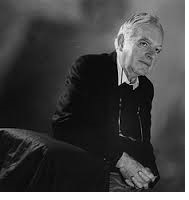
When an Asantehene, or king dies, the Asantes of Ghana memorialize his passing with the adage: “A GREAT TREE HAS FALLEN.” I M Lewis died–to be in a better place—on last March 14 of a heart ailment. With his exit, a mighty force was taken from the earth to let him join the multitude of departed scholar Olympians. Prolific and versatile, with a masterly and magisterial expertise on an extended range of subjects from Shaminism to social anthropology to sub-Saharan Islam to the Deanship of Somali Studies, of which he was not only the Founding Father, but also its reigning prince.
I. M. Lewis

Ioan Myrddin Lewis was born on January 30, 1930, in Glasgow (Scotland) to a Scottish mother and a Welsh father. The parents met in Iraq where the father was a journalist –- maybe an editor as well —of The Mesopotamian Times. Following marriage, the couple returned to Britain.

Ioan’s early life was spent in London, and when a boy of seven, his father died from tuberculosis, possibly on account of the gassing he sustained in WW I. The mother went back with the young Ioan to Glasgow to live with grandparents, to whom the boy was extremely attached. Ioan completed secondary and college education, respectively at Glasgow High School and University of Glasgow, where the future anthropologist majored in chemistry. With the new emphasis after WW II on scientific education in British academia, he took advantage of a grant by the Social Science Research Council, then seeking young scientists to study the social sciences with the aim of making the methods of the latter comport more closely with those of the physical sciences. He earned a Diploma and a Master’s at the Oxford Institute of Anthropology, supervised by such academic luminaries as Franz Steiner and the world- renowned E. E. Pritchard, affectionately known as E.P. by colleagues. More valuably, Oxford was also where he met the stately Ann, his future wife.

Upon leaving Oxford, Ioan was now ready to enter the working world; he took a job at Chatham House in London as a research assistant to Lord Hailey, working on “The African Survey”. On account of his supervisors’ interest in Somalia, Lewis’s passion for Somalia was ignited. And in 1955 Ioan and Ann, who he married in 1950, set out to Somalia under a grant from the Colonial Office. In Somalia, Ioan, as the phrase goes, “went native,” setting up camp among the nomads, moving with them from grazing grounds to grazing grounds, carrying out extensive research (1955-1957). Upon returning to England in 1960, Ioan completed the write- up of his research and received a PhD in Anthropology from Oxford University. The resulting work from his Somalia research was his masterpiece, A Pastoral Democracy (1961), the pioneering study that changed the face of social anthropology. Before and after the completion of his graduate research, Ioan did various stints of lectureships: at the then University of Rhodesia, University of Glasgow and University College, London.

Thereafter, he joined the faculty of the London School of Economics and Political Science in 1969. He was 39 years old, the youngest professor in Britain. Lewis’s oeuvre includes more than a dozen seminal books, dozens of book chapters and scores of razor-sharp articles. He is survived by his wife, Ann, daughters Joanna and Sally, and son, David.


Prof Said S. Samatar
Rutgers University

——————–
Dr. Samatar is a Professor of African American and African Studies, Department of History and Editor of the Horn of Africa Journal. Prof Samatar is also a regular contributor of WardheerNews.


http://samotalis.blogspot.com/

06 April, 2014

Rwanda genocide anniversary: Mass ahead of commemorations

Rwanda genocide anniversary: Mass ahead of commemorations
The
Rwanda: Haunted Nation
A good man in Rwanda
Death of an exile
Will Hutus return?
Genocide hunters

Hundreds of people have attended a Mass in the Rwandan capital ahead of a week of official mourning to mark the 20th anniversary of the country's genocide.

But a diplomatic row has seen France pull out of the commemorative events.

The Mass at Sainte-Famille Catholic church in Kigali remembered those who died in the church itself or elsewhere in the country.

At least 800,000 people - mostly ethnic Tutsis and moderate Hutus - died at the hands of Hutu extremists in 1994.

Most of the victims of the genocide were attacked with machetes during 100 days of slaughter that began on 6 April 1994, shortly after Hutu President Juvenal Habyarimana was killed when his plane was shot down over the Rwandan capital.

Some Christian leaders were implicated in the violence.


BBC Africa's Kassim Kayira explains the events that shook Rwanda in 1994

A genocide survivor who attended the Mass, Innocent Muhozi, said: "Today's Mass was about resurrection and I believe that one day, the souls of the people we lost will resurrect.

"This church has a very long history because many people died in it during genocide but some also survived it because they were in this church."

Pope Francis, in his weekly address to the faithful at St Peter's Square in the Vatican, spoke of the anniversary.

"On this occasion I would like to express my paternal closeness to the people of Rwanda, encouraging them to continue with determination and hope, the process of reconciliation that has already manifested its fruits, and the commitment of human and spiritual reconstruction of the country," the head of the Catholic Church said.

The killings in Rwanda ended in July 1994 when the Rwandan Patriotic Front (RPF), a Tutsi-led rebel movement that entered the country from from Uganda, marched on Kigali and seized control of the country.

France pulls out

The French government announced it was pulling out of the 20th anniversary commemorations following an accusation by Rwandan President Paul Kagame - who led the RPF to victory - that France had participated in the mass killings.
Kagame reportedly said France had a "direct role" in the "political preparation for genocide"

In an interview with the French-language weekly news magazine Jeune Afrique, Mr Kagame denounced the "direct role of Belgium and France in the political preparation for the genocide".

French Justice Minister Christiane Taubira cancelled her plans to attend the events in Kigali on Monday following the remarks.

The French foreign ministry said Mr Kagame's comments went against reconciliation efforts between the two countries.

Rwanda responded by accusing the French government of overreacting.

"For our two countries to really start getting along, we will have to face the truth. The truth is difficult, the truth of being close to anybody who is associated with genocide understandably is a very difficult truth to accept," Rwandan Foreign Minister Louise Mushikiwabo said.

Mr Kagame's party still controls the government and has long accused France - an ally of Mr Habyarimana's government at the time - of aiding the genocide.
Rwanda's government has long accused France - an ally of the previous regime - of aiding the genocide

In recent years there has been a thaw in relations between the two countries, with a visit by Mr Kagame to Paris in 2011 and the establishment by France of a genocide investigation unit.

Last month, a Paris court sentenced former Rwandan spy chief Pascal Simbikangwa to 25 years in jail for his role in the genocide - the first such conviction in France.

France has acknowledged that serious errors were made during the genocide in Rwanda.

A Rwandan commission in 2008 said France was aware of preparations for the genocide and helped train ethnic Hutu militias who participated in killings.

Paris said its forces had helped protect civilians as part of a UN-mandated intervention in Rwanda. But Mr Kagame said French troops had protected the militias carrying out the killings.


http://samotalis.blogspot.com/