31 August, 2013

Uganda struggles to come to terms with its disappeared

Uganda struggles to come to terms with its disappeared

LAMWO, 30 August 2013 (IRIN) - When Uganda resident Rose Lamwaka had two sons abducted by the rebel Lord's Resistance Army (LRA) 10 years ago she felt she had lost all hope. "I was feeling a lot of pain, I was feeling like committing suicide," says the 51-year-old widow with seven grandchildren.

Last week, Lamwaka joined hundreds from the northern district of Lamwo to remember their abducted children, still missing from the decades-long civil war between the LRA and the government. More than 200 family members with relatives still unaccounted for read the names of their lost ones in a ceremony of prayer and song.

Northern Uganda was the epicentre of a legacy of violence, and the International Committee of the Red Cross (ICRC) says the number of people abducted since the war started in the late 1980s ranges between 52,000 and 75,000. Though Uganda has been free from LRA attacks since 2006, and a number of former child soldiers have returned, the ICRC estimates thousands remain missing from the north as a result of the conflict.

"Because there is no official figure of those missing, we had to extrapolate on what we found here," said Camilla Matteucci, ICRC protection coordinator. "And our projection is that at least 10,000 people are still missing in northern Uganda."

Left behind

The commemoration in Uganda not only acknowledged those still missing but also marked the end of a four-month community counselling pilot programme for more than 200 affected family members of the abducted in Lamwo District. As that project initially targeted only one sub-county, it used those affected families as a baseline to extrapolate the total number that have gone missing across the northern region.

According to Beatrice Ocaya, the local women's councillor in Lamwo, the ceremony was an important step in recognizing the ongoing support needed by families torn apart by the LRA conflict.

"There is no longer war, but some parents are ever crying," she said.

ICRC says relatives left behind have been silently suffering with ambiguous loss, and the isolation that breeds has far-reaching social and economic impacts on populations still recovering from conflict.

"They don't know if the person is alive or dead, if they're still with the armed group, which also puts a stigma on the family, and therefore it's hard for them to deal with the community at large," Matteucci said.

For Lamwaka, the group brought her relief, and support from her community. "Other people are really understanding, they sympathize and care," she told IRIN.

A global loss

To mark the International Day of the Victims of Enforced Disappearances [ http://www.un.org/en/events/disappearancesday/ ] on 30 August, the ICRC has released a handbook [ http://www.icrc.org/eng/resources/documents/publication/p4110.htm ] to call for a broader global response to the families of those missing in conflict and natural disasters. The handbook draws on more than 10 years of similar ICRC projects, from the Balkans, to Nepal and Timor-Leste - all countries where thousands have gone missing with families left behind to bear the burden - and provides an understanding of what families of missing persons go through. It also acts as a practical guide for local "accompaniers" from the community, trained by ICRC to counsel peer support groups to be able to share experiences and coping mechanisms.

"Every year, hundreds of thousands of people are separated from loved ones in such situations," said Marianne Pecassou, head of the ICRC team dealing with missing persons, in a statement. "The families will tell you that what they need more than anything else is to find out what happened to the person who vanished. Unfortunately, in too many cases, that question may never be resolved. But they also have other needs that go far beyond this."

According to ICRC, during the conflicts in Croatia, Bosnia-Herzegovina and Kosovo, they received more than 34,000 tracing requests from families searching for answers.

Legal issues such as inheritance and property rights, the financial stress of searching for the lost while supporting a household, as well as the psychological trauma of loss have devastated communities already scarred by conflict.

According to Milena Osorio, ICRC's mental health and psychosocial support adviser, psychological needs such as emotional isolation, feelings of guilt, anger, depression or trauma, and tensions among family members or with members of their communities are common.

"The families of missing people frequently find themselves grappling with uncertainty. Most societies have religious or cultural rituals to deal with death," said Ms Osorio in the statement, "but there is very little to help the families of missing persons."

In May, UN Secretary-General Ban Ki-moon urged member states to join an international treaty [ http://www.un.org/apps/news/story.asp?NewsID=45028&Cr=human+rights&Cr1=#.UiBzZTYmsmE ] aimed at "eliminating enforced disappearances and stop impunity for this scourge".


pc/kr/cb

[END]

Analysis: Guinea's halting fight against impunity

Analysis: Guinea's halting fight against impunity

CONAKRY, 30 August 2013 (IRIN) - Since 2012, in an unprecedented effort in the country, top security officials in Guinea have been indicted for alleged crimes against civilians. But the indictments have yet to lead to trials or, in most cases, even arrests.

Guinea has seen a string of judicial firsts that sparked hope the country could finally chip away at impunity, including military officials long seen as untouchable being called before a court of law. But they have retained their posts; Col Claude Pivi remains head of presidential security; Lt Col Moussa Tiégboro Camara continues in his role as director of the national anti-drug-trafficking agency; and Sékou Resco Camara is still the Conakry governor.

"Every time there's news of another indictment, [someone on the outside] might think, 'Ah, things are progressing well there', but that's not the case," said Thierno Madjou Sow, long-time human rights activist and head of the Guinean Human Rights Organisation. "Things get started then just stop. Look at Tiégboro, Pivi, and Resco - all still in their government positions."

Pivi and Tiégboro Camara are among eight people indicted to date over the 28 September 2009 stadium attack, in which, according to an international inquiry [ http://www.un.org/en/ga/search/view_doc.asp?symbol=S/2009/693 ], soldiers killed, raped, or injured hundreds of people. One gendarme has been arrested and detained on charges of rape in that case. Resco Camara has been indicted for alleged involvement in the torture of civilians by gendarmes in 2010.

Sow and other human rights advocates are quick to say the indictments themselves are significant considering the history of impunity [ http://www.irinnews.org/report/87479/guinea-september-violence-only-underscores-reign-of-impunity ] among Guinea's leadership. But the process must continue, they say.

"These indictments do carry some weight. People see that a top military official can be called before a judge - that reassures them [ http://www.irinnews.org/report/96419/guinea-fear-has-switched-sides ]," said Hamidou Barry, a Guinean lawyer and the coordinator of the judges investigating stadium attack. "The problem is everything stops there. Guinea's judges are not free and independent."

Doubts about judiciary

The stadium case - the latest but perhaps the most spectacular in a string of military abuses against civilians - is in preliminary examination at the International Criminal Court (ICC), which says the prosecutor has a responsibility to intervene if it becomes clear that national authorities are "unwilling or unable to genuinely carry out the proceedings".

But given what they see as a stalled process, survivors say they wonder what it would take for the ICC to find the Guinean authorities unwilling.

"The international community must understand once and for all that Guinea's judiciary is not ready to carry this out," said Asmaou Diallo, head of the Association of Parents and Friend of Victims (AVIPA), which assists survivors of the attack and other human rights abuses.

"The victims are here, the assailants are here," she said. "It's possible to hold trials. But the authorities can't. They don't dare. And I don't know at what level things are blocked. Meanwhile as long as impunity reigns in Guinea, the country cannot move forward."

Survivors and human rights activists in Guinea say coming out more forcefully against impunity exposes them to threats and intimidation by the accused and their supporters. But many say it is worth it.

"Sure, there is a risk. But I think it's time Guinea's human rights community assume that risk," said Mamady Mansare, a journalist who was injured during the stadium attack. "Survivors must denounce the authorities' unwillingness to arrest suspects and proceed with this."

Tamar Thiam, who was injured in the stadium attack and fled Guinea after she was threatened for speaking out, said Guineans must push for more pressure to be brought on the government. "We must raise our voices to show the international community that the authorities lack either the means or the will to bring perpetrators to justice," she told IRIN. "If this drags on for too long, the witnesses will be dead, the assailants will be dead. What good would a trial do then?"

"This case is in the judges' hands," said government spokesman Albert Damantang Camara. "The government has never obstructed their work. To date, several high-level officers have been indicted, and the procedure is following its course with absolutely no interference from the government."

Cautious optimism

International justice experts say, while things are moving slowly in Guinea, there has been progress. The ICC Office of the Prosecutor (OTP) says the indictment of officials in the stadium massacre "is a serious indication that they will be brought to account" and the office expects a trial will take place.

"The competent national authorities have initiated proceedings, as it is their primary responsibility to do," the OTP told IRIN. "The OTP will continue to encourage their efforts as long as we assess they go in the right direction."

Florent Geel, Africa desk director with the International Federation for Human Rights [ http://www.fidh.org/-Guinea-Conakry- ] (FIDH), says these cases must not be allowed to drag on for decades, but that considering Guinea's past, the indictment of top military officials within a few years of the alleged crimes is remarkable.

"Guinea's history is 40 to 50 years of impunity, so it's difficult from one day to the next make the justice system function normally," Geel told IRIN. "It's not easy. It's slow. It's complicated, but little by little there are positive moves."

Rights expert Sow said since independence in 1958, Guinea's judiciary has been side-lined by the executive. Geel said he is confident there will be trials in the stadium attack and the 2010 torture case by the end of 2014.

FIDH has called for the suspension of indicted officials, particularly the head of presidential security. "Clearly the accused are innocent until proven guilty. We must respect this principle," Geel said. "But given Pivi's position and the seriousness of the indictment, we think it is reasonable to demand his suspension pending further judicial proceedings."

The ICC prosecutor's office acknowledges that seeing those charged remain in power is a blow to survivors. "The fact that two indicted officials [in the 28 September case] have retained their post in government is undoubtedly shocking and frustrating for the victims," the OTP said. "It is, however, insufficient for the office to determine that the proceedings are not being conducted with the intent to bring to justice the persons bearing responsibility for the crimes committed."

So far in Guinea, "complementarity is working", the prosecutor's office told IRIN, referring to the principle that sees the ICC stepping in only as a last resort, when national jurisdictions fail to address crimes.

FIDH's Geel said it would be best if Guinea's judiciary were to work. "The goal of international justice is to push the national judiciary to prosecute. Otherwise what would ever be changed in the fight against impunity in the country?"

For the four-year commemoration of the stadium massacre, survivors and families of victims hope to hold a rally at the venue of the attack. The past three Septembers, the government denied authorization to do so, said AVIPA's Diallo, whose son was killed in the crackdown.

"We hope this year we can at least go to the stadium and place flowers for our dead and missing."

np/ob/rz


[END]

LA-TALIYAHA MADAXWEYNAHA EE DHAQAALAHA MUD. AXMED XASAN CARWO OO TACSI U DIRAAYA EHELKA MARXUUM AXMED CABDILLAHI ROORAAYE

LA-TALIYAHA MADAXWEYNAHA EE DHAQAALAHA MUD. AXMED XASAN CARWO OO TACSI U DIRAAYA EHELKA MARXUUM AXMED CABDILLAHI ROORAAYE


 La-taliyaha Madaxweynaha ee Dhaqaalaha. Ganacsiga iyo Maalgashiga Axmed Xasan Carwo waxa uu tacsi u dirayaa, Ehelkii, Qaraabadii, Asxaabtii, iyo si gaar ah Jaaliyadda Somaliland ee Sheffield,UK

Axmed Rooraye waxuu ka Madax aha muddo dheer Ururka Qaaxootiga ee Sheffield, waxuuna aha mas'uul aad uga dhex muuqda Jaaliyadda Somaliland  intaanu u baqolin Somaliland xiligii doorashda Madaxtooyada ee 2010, kolkaas oo uu ka mid aha Guddiga Ololaha Gobalada Bari ee KULMIYE, guushi Kulmiye dabadeed, waxuu Madax ka noqday Hay'addii Dibudejinta Somaliland, kolkii dambana lagu daray Wasaaradda Dibudejinta. Alle ha u naxariistee Axmed waxuu si kedis ah ugu geeriyooday laguna aasay Hargeysa 30/08/2013 

Axmed Rooraye waxuu aha nin firfircoon oo aad uga dhex muuqda siyaasadda iyo warbahinta dalka, kuna dhiiranaa afkaartiisa oo uu ku kasbaday asxaab iyo cadow badanba.   

 Waxaan ILLAAHAY uga baryayaa Marxuumka AXMED CABDILLAHI ROORAAYE,  inuu Jannatul Fardows ka waraabiyo, Qoyskii, Eheladii, Qaraabadii, Xigto iyo Xigaal, Asxaabtiis meel kasta ooy joogaanbana uu waafajiyo samir iyo duco.

 IN-NAA LILLAAHI WA IN-NAA ILAYHI RAAJICUUN 

Axmed Xasan Carwo 
La-taliyaha Madaxweynaha SL 
ee Dhaqaalaha, Ganacsiga iyo maalgashiga 

eci.advisor@gmail.com


http://samotalis.blogspot.com/

Golaha Wakiiladda Somaliland ayaa maanta cod gacan tag ah ku Ansixiyay sagaal Masuul oo isugu jira Wasiiro, OLYMPUS DIGITAL CAMERAWasiiru-dawlayaal iyo Wasiir ku-xigeeno

Hargeysa(Waaheen) Golaha Wakiiladda Somaliland ayaa maanta cod gacan tag ah ku Ansixiyay sagaal Masuul oo isugu jira Wasiiro, OLYMPUS DIGITAL CAMERAWasiiru-dawlayaal iyo Wasiir ku-xigeeno, kuwaas oo ahaa Wasiiraddii ugu danbeeyay ee Madaxweyne Siilaanyo Magacaabo.
Wasiirada la Ansixiyay waxay kala ahaayeen:
  1. Wasiirka Arrimaha Dibeda Maxamed Biixi Yoonis
  2. Wasiirka Warfaafinta C/laahi Maxamed Daahir Cukuse
  3. Wasiirka Xidhiidhka Golayaasha, Cilmi baadhista iyo Tiknoolajiyada Aadan Axmed Warsame
  4. Wasiirka Boosaha iyo Isgaadhsiinta Maxamed Jaamac Abgaal
  5. Wasiirka Dibu-dajinta Axmed Cabdi Kaahin
  6. Wasiiru-dawlaha Madaxtooyadda Maxamed Muuse Abees
  7. Wasiir ku-xigeenka Wasaradda Ganacsiga iyo Maal-gashiga Bashiir Cabdi Xariir
  8. Wasiir ku-xigeenka Wasaaradda Qorshaynta Xasan Daahir Dhinbiil
  9. Wasiir ku-xigeenka Wasaaradda Gaashaan-dhiga Cabdi Daahir Camuud.
Wasiiradan ayuu Goluhu Cod aqlabaiyad ah dhamaantoodba ku Ansixiyeen, waxaana Golaha fadhiyay konton mudane, waxaa wali hadhsan Wasiiro kale oo iyagana Goluhu Ansixin doono Barri sida uu Guddoomiyaha Golaha Wakiiladdu sheegay.
Wasiiradan ayaa ka hadlayintaan la Ansixin fadhigii maanta waxaanay sheegeen in ay si xilkasnimo leh uga soo bixi donaan Xilalka uu Madaxweyne Siilaanyo u magacaabay, isagoo mid kastaa ka hadlay hawlaha horyaala.

http://samotalis.blogspot.com/

Xisbiyada mucaaradka ah ee UCID iyo Wadani ayaa walaac xoogan ka muujiyay in aan wali la qaban diiwaangalintii


Hargeysa(Geeska)-Xisbiyada mucaaradka ah ee UCID iyo Wadani ayaa walaac xoogan ka muujiyay in aan wali la qaban diiwaangalintii cod bixiyayaasha doorashooyinka,waxaanay xukuumada ku dhaliileen inuu ka muuqdo cago jiid loona baahan yahay in diiwaangalinta inta sanadkan ka hadhay lagu qabto si doorashooyinku ay wakhtigoodii ugu qabsoomaan.

Waxa ay xisbiyada mucaaradka ahi ayaan daro ku tilmaameen in xukuumada oo ku timi nidaam dimuqraadiya aanay fir ficooni u muujinayn doorashooyinka,.waxaanay si cad u sheegeen in aanay aqbalayn doorashooyinka oo wakhtigoodii ka dib dhaca.

Waxa ay sidan ku sheegeen xisbiyada mucaaradka ah ee UCID iyo Wadani waraysi gaar ah oo uu la yeeshay wargeyska Geeska Afrika.

Wargeyska oo ugu horayntii waydiiyay afhayeenka xisbiga Wadani Xildhibaan Ibraahin Mahdi Buubaa bal isda ay u arkaan in aan dalka wali laga qaban diiwaangalintii xili ay doorashooyinkii soo dhawaadeen waxa uu yidhi “Arintaas waanu ka wal wal sanahay oo waliba si aad ah ayaanu uga walaacsanahay,waxaanan u aragnaa in arintaasi ay geedi socodkii dimuqraadiyada ee Somaliland mid waxyeelaysa,walaacaas aan ka muujinay ka sokow waxaanu ku dhaliilaynaa xukuumada inay ka gaabisay inay dhaqdhaqaaq loogu diyaar garoobaayo diiwaangalin inay samayso,markii la laalay diiwaangalintii hore waxa xeerka lagu soo daray in lix bilood gudahood lagu qabto diiwangalin cusub maantana waad la socotaan waxa ka soo wareegay ku dhawaad laba sanadood. Xukuumada ayaa dhaliishaas iska leh waxii ka soo baxana iyadaa dhabarka u ridan doonta,haddii diiwangalinta cod bixiyayaasha sanadkan inta ka hadhay lagu qaban waayo waxay dhaawaci doontaa hanaankii doorashooyinka ee dalkeena,xisbi ahaan ma ogalin waanu diidanahay waana in wax waliba wakhtigooda ay ku qabsoomaan oo aynu qabsanaa doorasho,xukuumadana waxaanu ugu baaqaynaa in aanay wax kale ku mashquulin ee ay dhakhso u qabato diiwaangalinta cusub.madaxweynuu waxa uu golayaasha hortooda ka sheegay in aanu maalin ku darsanayn muddo xileedkiisa, hadana kama muuqdo dhaqdhaqaaq doorashooyin loogu sii diyaar garoobayo. ”

Sida oo kale musharaxa xisbiga UCID Jamaal Cali Xuseen oo dhankiisa aan waydiinay bal isda ay u arkaan in aan dalka wali laga qaban diiwaangalintii xili ay doorashooyinkii soo dhawaadeen waxa uu yidhi “Ayaan daro ayaan u arkaa,xukuumada Kulmiye waxa laga filaayay sidii ay hore u balan qaadeen inay doorashooyin wanaagsan qabtaan oo waliba ka horumarsan kuwii hore,waxaanad moodaa in dib u dhac weyn uu dhankii doorashooyinka hadda inagaga dhacay,waynu ogayn in doorashooyinkii ugu danbeeyay ay muran dhaliyeen oo aynu siganay dalkuna uu khal khal galay,tii danbe ee hada loo fadhiyay ee ahayd in casharna lag barto tii hore deegaanka dalkana diiwaangalin laga sameeyo xukuumaduna ay hormuud ka noqoto kamay noqon oo way ka cago jiidaysaa.”

Wuxuu Jamaal, intaas raaciyay, “Nasiib darada dhacdayna waxa weeye dawladii hore waxay samaysay diiwaangalin dhibaatooyin badan ayaa inaga soo gaadhay oo ay ahayd inaan wax ka barano, dhaqaale 13 milyan oo dolar ka badan ayaa inagaga baxay dal da’loolooyina way lahayd laakiin waxay ahayd in la saxo oo nidaam dhan oo aynu samaynay hala iska tuuro caqli may ahayn, mana ogalin in sidii doorashada deegaanka oo kale doorashada loo galo,golahii wakiiladu toban sanadood ayay fadhiyaan oo wakhtigoodii shan sanadood oo kale ayay isaga darsadeen waxay ahayd iyaga laftigoodu inay door ka ciyaaraan doorashoyinka sidii dabada looga riixi lahaa oo ay ku daba galaan xukuumada sidii shaqadeeda loogu ilaalin lahaa,waxa hadda laga baqayaa in ay dhibaatooyin inoo keento.”


http://samotalis.blogspot.com/


Xisbiyada Mucaaradka Oo Walaac Ka Muujiyay Diiwaangelinta Oo Dib U Riixaysa Doorashada Iyo Farriinta Ay Madaxweyne Siilaanyo U Direen

War Xog-ogaal ah ayaa wargeyska DAWAN xalay u xaqiijiyay in 12 xildhibaan oo tirsan Golaha deegaanka Hargeysa ay....

War Xog-ogaal ah ayaa wargeyska DAWAN xalay u xaqiijiyay in 12 xildhibaan oo tirsan Golaha deegaanka Hargeysa ay Duqa caasimadda ka dalbadeen inuu golaha u qabto fadhi aan caadi ahayn.


Si ay fursad ugu helaan inay mooshin ka dhan ah Maayarka iyo ku xigeenkiisa oo ay doonayaan inay kalsoonidda u qaadaan. Xildhibaan ka tirsan Golaha deegaanka Caasimadda oo dalbaday inaan magaciisa la shaacin ayaa noo sheegay inay khamiistii 12 Xildhibaan Duqa Caasimadda u gudbiyeen qoraal ay kaga dalbanayaan fadhi aan caadi ahayn oo Goluhu yeesho si looga wada hadlo qoddobo badan oo la xidhiidha wax ay ugu yeedheen horumarinta caasimadda Hargeysa. Warku waxa uu intaas ku daray in Xildhibaanadan soo jeediyay fadhiga aan caadiga ahayn ay doonayaan inay xilka ka qaadaan maayarka Hargeysa Md. C/Raxmaan Maxamuud Caydiid (Soltelco) iyo Maayar Ku xigeenka C/Casiis Maxamed Cago-weyne.

Kooxdan Xildhibanaada ahi waxay Maayarka iyo ku xigeenkiisa ku eedeynayaan sida la weriyay maamul xumo iyo eedo ay ka mid tahay inay dheelitiri kari waayeen maamulka dawladda Hoose iyo habacsanaan baahsan oo saamayn taban ku yeelatay horusocodkii laga filayay Dawladda Hoose iyo Golaha Deegaankaba. Warku waxa uu intaasi ku darayaa in Mudaneyaashani ay Maayarka Hargeysa oo maalmahan xanuunsanayay ay qoraalkooda ugu geeyeen gurigiisa magaaladda Hargeysa.

Geesta kalena waxaan noo suurto gelin inaanu arrintan wax ka weydiino Maayarka Hargeysa Md. C/Raxmaan Maxamuud Caydiid oo aanu xalay Telefoonkiisa gacanta dhawr jeer garaacnay hase yeeshee naga qaadi waayay. Mudaneyaasha dalbaday fadhigan ayaa naloo xaqiijiyay inay ka mid yihiin Cismaan Xasan Faarax (Cismaan Waxar), Maxamed Aw- Aadan Wayrax, Saleebaan Daahir Dogox, Khadar Qeylo-weyne, Khaalid C/Qani, Axmed Cali Haybe iyo xubno kale.

Xigasho Dawan.

http://samotalis.blogspot.com/

لأول مرة.. السجن والغرامة عقوبة العنف الأسري فى السعودية

لأول مرة.. السجن والغرامة عقوبة العنف الأسري فى السعودية

(mbc.net) أقرت السلطات السعودية للمرة الأولى قانونا جديدا يمنع كافة أشكال العنف الجنسي والبدني سواء داخل المنزل أو في مكان العمل، وذلك بعد أن كان العنف ضد المرأة والأطفال في المنازل شأنا خاصا في السعودية من الناحية القانونية حتى إقرار القانون، وتتضمن العقوبات عقوبة السجن لمدة عام وغرامة تصل إلى ما قيمته 13 ألف دولار، كما يضمن حماية لضحايا العنف الأسري.
ورحب نشطاء حقوقيون بهذه الخطوة، لكن أثاروا تساؤلات حول مدى فاعليتها، وقالت سعاد أبو دية، الناشطة المدافعة عن حقوق المرأة، "إن القانون الجديد خطوة إيجابية طال انتظارها، لكن يتعين تطبيقه بشكل كامل"، وأضافت أن الشرطة والمحاكم التي ستتولى تفعيل القانون في حاجة إلى برامج تدريبية، كما قالت إن الوصاية الذكورية التي لا تزال تسيطر على العلاقات بين الجنسين في السعودية ستظل عائقا كبيرا أمام تطبيق القانون.
جدير بالذكر أنه لم يكن شائعا مناقشة العنف الأسري ضد المرأة والأطفال صراحة في المجتمع السعودي، لكن ذلك تغير في الآونة الأخيرة، كما دشنت بالسعودية في وقت سابق من العام الجاري حملة توعية ضد العنف الأسري.

http://samotalis.blogspot.com/

الجيش السوري يستعد لمواجهة الضربة العسكرية بـ 8 آلاف انتحاري

الجيش السوري يستعد لمواجهة الضربة العسكرية بـ آلاف انتحاري

(mbc.net) احتلت الأزمة السورية واستعدادات الغرب لشن ضربة عسكرية ضد حكومة دمشق العناوين الرئيسية للصحف البريطانية، ونشرت صحيفة الغارديان مقابلة أجرتها مع أحد ضابط طيار من القوات الجوية السورية، يهدد فيها باستعداد آلاف مقاتل على الأقل لشن هجمات انتحارية على غرار هجمات "الكاميكازي اليابانية في نهاية الحرب العالمية الثانية.
ونقلت الصحيفة عن الضابط قوله إن " 13 طيارا مقاتلا وقعوا على تعهد الأسبوع الجاري لتشكيل طاقم من الانتحاريين لمواجهة أسطول الطيران الحربي الأمريكي"، وأضاف الضابط ، وهو في الثلاثينات من عمره ويخدم في قاعدة للدفاع الجوي بالقرب من دمشق، "إذا قامت الجيوش الأمريكية والبريطانية بإطلاق صاروخ واحد سنطلق ثلاثة أو أربعة، وإذا أغارت طائراتهم علينا فستواجه نيران الجحيم في سمائنا"، وأوضح الطيار السوري أنه إذا لم تتمكن قوات الدفاع الجوي من التصدي للغارات الجوية فهناك طيارون مقاتلون على استعداد لمهاجمة تلك الطائرات الغربية والاصطدام بها وتفجيرها في الهواء ".
ويقول الضابط السوري لدينا أكثر من آلاف انتحاري ضمن صفوف الجيش السوري مستعد للشهادة وتنفيذ هجمات لوقف الأمريكيين والبريطانيين"، وقالت الغارديان إنها لا تستطيع التأكد من صحة معلومات ذلك الشخص من جهة مستقلة على الرغم من أنه قدم في السابق معلومات وثيقة عن معارك وقعت بين القوات الحكومية ومسلحي المعارضة خلال الأشهر الماضي

http://samotalis.blogspot.com/

Syria chemical weapons attack killed 1,429, says John Kerry

Syria chemical weapons attack killed 1,429, says John Kerry


John Kerry: "We know rockets came only from regime-controlled areas"
Syria conflict
Latest updates
Pressing on: France stays with US
Status anxiety: What vote means for UK
In quotes: Politicians on Syria vote

US Secretary of State John Kerry has accused Syrian government forces of killing 1,429 people in a chemical weapons attack in Damascus last week.

Mr Kerry said the dead included 426 children, and described the attack as an "inconceivable horror".

President Barack Obama later said the US was considering a "limited narrow act" in response.

Syria has dismissed Mr Kerry's statement as "full of lies", insisting the rebels carried out the attack.

State-run news agency Sana said Mr Kerry, who cited a US intelligence assessment, was using "material based on old stories which were published by terrorists over a week ago".
Continue reading the main story
Analysis
Jonathan MarcusBBC diplomatic correspondent

Mr Kerry's speech was a clear and powerful statement of the rationale for military action against Syria. The focus was placed entirely upon deterring the Syrian authorities from ever using chemical weapons again. This was neither an intervention in the civil war nor an attempt to topple the Assad regime.

Mr Kerry sought to convince a US public that is tired of war that it was Washington's responsibility to act. The message was that there would be no need to wait for the UN inspectors' report; he insisted the report would tell Americans nothing they didn't know already.

The stage is set for action. While no final decision has yet been taken to strike, it may only be a matter of days.

The US says its assessment is backed by accounts from medical personnel, witnesses, journalists, videos and thousands of social media reports.

UN chemical weapons inspectors are investigating the alleged poison-gas attacks and will present preliminary findings to the UN after they leave Damascus on Saturday.

But Mr Kerry said the US already had the facts, and nothing that the UN weapons inspectors found could tell the world anything new.

He highlighted evidence in the assessment that regime forces had spent three days in eastern Damascus preparing for the attack.

"We know rockets came only from regime-controlled areas and landed only in opposition-held areas," he said.

"All of these things we know, the American intelligence community has high confidence."

Mr Kerry called Mr Assad "a thug and a murderer" but said any response by the US would be carefully measured and would not involve a protracted campaign like Iraq or Afghanistan.


http://samotalis.blogspot.com/

30 August, 2013

Japanese Prime Minister Shinzo Abe in Djibouti

Japanese Prime Minister Shinzo Abe in  Djibouti 

Line of defense: Prime Minister Shinzo Abe thanks Maritime Self-Defense Force personnel engaged in an anti-piracy mission off Somalia at their base in Djibouti on Tuesday. | KYODO

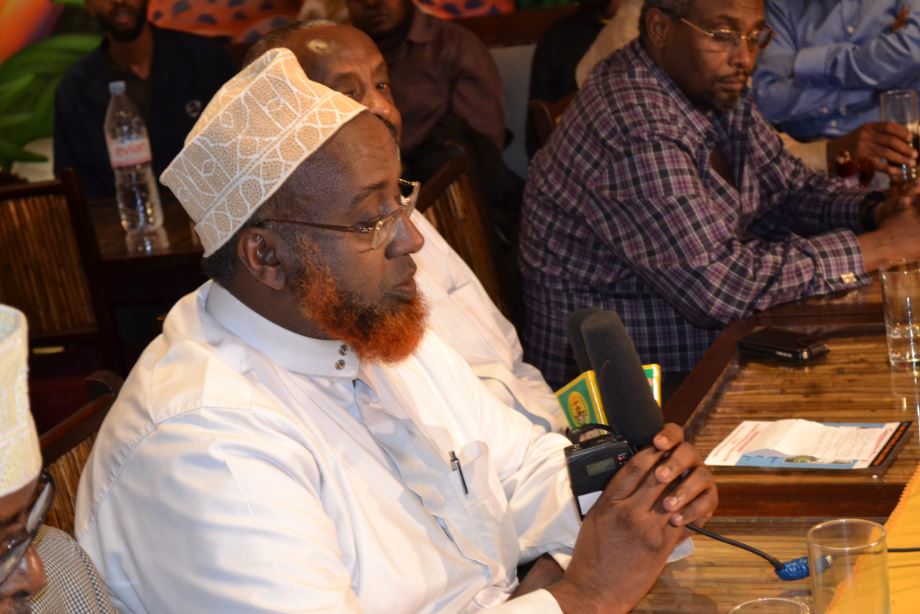
DJIBOUTI – Prime Minister Shinzo Abe told Djibouti President Ismail Omar Guelleh that Japan plans to provide patrol ships to the northeast African nation to help its coast guard improve maritime security.

The first Japanese prime minister to visit Djibouti, Abe on Tuesday toured the operating base built on the northern side of Djibouti-Ambouli International Airport in 2011, where Maritime Self-Defense Force personnel are stationed to fight piracy.

“It is vital for Japan to protect waters in the region. And it is essential for the international community to ensure peace, stability and prosperity,” Abe told MSDF personnel as he stressed the importance of Japan’s contribution to maritime security.

The provision of patrol ships to Djibouti would help tankers and other commercial vessels pass through the area safely, as Tokyo aims to ensure the security of sea lanes that are vital to transporting crude oil and natural resources.

Japan will be sending experts in September to assess the situation in Djibouti, Japanese government officials said.

Abe also said Japan will provide support to Djibouti to develop geothermal power generation and secure stable electricity supplies.

The prime minister is on a six-day trip through Thursday to oil-producing nations in the Middle East and Djibouti.

Since taking office last December, Abe has pledged to provide not only financial aid but other forms of assistance in the areas of human resources and security to Africa so that Japanese firms can further venture into the resource-rich continent.

“We need to promote international cooperation to strengthen measures to fight piracy,” Abe said after visiting the MSDF base.

The MSDF has two escort vessels and two P-3C patrol aircraft in the region, which since their deployment in 2009 have escorted over 3,000 commercial ships, and conducted warning and surveillance flights over 1,000 times in the Gulf of Aden.

Japan has decided to allow one of the destroyers to be used in a joint operation with multinational forces from December as piracy attacks have shifted from waters off Somalia to a broader area.

Abe has a strong interest in maritime security. In July, he unveiled a plan to provide 10 patrol ships to the Philippines, which is involved in a territorial row with China in the South China Sea.
Osprey ‘hard landing’

kyodo

Japan has asked the United States for information on a noninjurious “hard landing” Monday by an MV-22 Osprey transport aircraft in Nevada, Chief Cabinet Secretary Yoshihide Suga said Wednesday.

With safety concerns over the tilt-rotor aircraft running high in Okinawa, the government has asked the United States to quickly provide information, including the cause of the incident, Suga told a news conference.

Defense Minister Itsunori Onodera also asked for information on the incident from U.S. Defense Secretary Chuck Hagel in Brunei during a meeting on the sidelines of ASEAN meetings.

Daawo Sawirada Xisbiga Kulmiye oo Bariga Magaalada London Ku Soo dhaweeyey Xubno Ka Soo Baxay Xisbiga Wadani

Daawo Sawirada Xisbiga Kulmiye oo Bariga Magaalada London Ku Soo dhaweeyey Xubno Ka Soo Baxay Xisbiga Wadani


London (TNN):-Xisbiga Talada haya ee Kulmiye ayaa munaasabad si heer sare ah loo soo agaasimay ku qaabilay xubno ka soo jabay Xisbiga wadani isla markaana u digarogtay xisbil Xaakimka kulmiye.

Xubnahan ka tirsanaa masuuliyiinta xisbiga wadani waxa ay kala ahaayeen Zaynab Maxamed Cali oo ahayd gudoomiyaha wacyi galinta ee garabka haweenka Uk iyo Shooqi Xaddi oo ahaa gudoomiyaha dhaqaalaha xisbiga wadani isla markaana gudoomiyaha Xisbiga wadani ee magaalada London.

Labadan xubnood ayaa mid waliba geestiisa ka cadeeyay in laga bilaabo maanta ay si toosa ula sha qaynayaan xisbiga Kulmiye .

Geesta kale masuuliyiinta, hawl wadeenada iyo taageerayaasha xisbiga kulmiye ee Uk ayaa si wayn u sii sagootiyay Gudoomiye Kuxigeenka koobaad ee xisbiga kulmiye Muj Maxamed Kaahin Axmed, oo ku sii jeeda Dalka jamhuuriyadda Somaliland isaga oo maalinta Bari ah ka anba bixi doona Magaalada London haddii alaha awooda lihi ogo laado.

Ugu danbayntii xafladan ayaa waxa ay ku soo gabo gabowday jawi aad u wanaagsan.


Timacade News Desk
London,UK


http://www.longlivesomaliland.com/daawo_sawirada_xisbiga_kulmiye_o.htm


http://samotalis.blogspot.com/

29 August, 2013

Somaliland: Court Martial Commutes Soldier’s Death Sentence


Somaliland: Court Martial Commutes Soldier’s Death Sentence


By: Yusuf M Hasan

HARGEISA (Somalilandsun) – A soldier sentence to death has won a reprieve following a successful appeal.

The armed forces court martial sitting at the army headquarters in Hargeisa commuted the death sentence imposed on Private Ahmed Hurre Farah to ten years imprisonment coupled with a dishonorable discharge from service.

The former soldier who was initially sentenced to the gallows for the murder of late Mohamed Farah Burle shall not return to death row but join ordinary inmates following a ruling of the court read by its chair Hasan Aden Sugulle.

According to Justice Sugulle the stay of execution on ex Private Farah is pursuant to section 16-19 of the armed forces disciplinary law and section 484-491 of the penal code.

Another appellant Ismail Jama Ismail also escaped the gallows and thus shall serve 10 years imprisonment following a successful appeal.

The armed forces court martial is greatly credited with the high levels of discipline within the country's security forces due to the heavy sentences imposed on any miscreants within the ranks of army, police and Prisons service.


http://samotalis.blogspot.com/

Letter from Somaliland

Letter from Somaliland
Michela Wrong 


Ayan Mahamoud, one of the organisers of Hargeysa’s International Book Fair, has all the girly vulnerability of a factory-tested steel girder. So it was disconcerting when, having called to the stage the western writers attending in the teeth of strict travel warnings, she burst into tears. ‘I’m sorry. It’s just so hard when the whole world is against you,’ she sobbed.

The word ‘beleaguered’ constantly comes to mind when visiting Somaliland, a country that doesn’t officially exist. For the past 22 years, this former British protectorate has waited for the world to notice that, in contrast to its unstable southern neighbour — the Somalia of warlords, Black Hawk Down and Al-Shabaab repute — it is peaceful, self-regulating and democratic. Surely the penny would drop, locals told themselves, and once Somaliland’s nationhood was recognised, the government would be able to access the kind of World Bank and IMF loans needed to rebuild an infrastructure shattered by civil war.

Instead, after a series of snubs, they recently received a kick to the crotch, with the announcement by Barclays — fretting over money-laundering regulations — that it intends to close the accounts of hundreds of money transfer businesses which are the only financial link between diaspora families and relatives at home. Somaliland has no banks, and even NGOs like Oxfam use money transfer companies to pay their staff. ‘We get $400 million a year in remittances. It supports families, but it also subsidises most new construction and pays for imports,’ Ali Said Shire, Somaliland’s minister of planning, told me. ‘If that stops, we’re in big trouble.’ He should know. He used to work for one of the biggest money transfer companies.

Somaliland isn’t the only country in the Red Sea which will be hard hit if Barclays sees its promise through, but the move feels cruelly timed given what is happening here. In the breezy capital of Hargeysa, the lobbies of the two main hotels are abuzz with Somalilanders returning from Sweden, Canada, Britain and Italy. Many are using their holidays to reconnect with their roots, but more and more are coming to invest and to stay. Private gyms, glass-fronted multi-storey offices and modern cafés are springing up next to the whitewashed mosques. At times the city, which was nearly erased by bombing and shelling ordered in the late 1980s by dictator Siad Barre — hence the locals’ abiding antagonism to ‘the south’ — feels like one big construction site.

The Hargeysa Book Fair, now in its sixth year, tracks that trend. The star attraction was elderly poet Hadraawi, whose recitations had youngsters pressed against window bars to catch every word. But each year the fair attracts more writers and bigger sponsors. They came from Nigeria, Djibouti, Kenya, Italy and the UK this time. The British ambassador to Somalia was a surprise guest, turning up for the opening ceremony flanked by sweating bodyguards. His presence underlined the essential hypocrisy of the international community’s position on Somaliland. Having lavished decades of funding and diplomatic effort on dysfunctional governments which failed to unite the country from Mogadishu, donors are reluctant to undermine their work. It should not be for outsiders, they argue, to call time on post-colonial borders. The breakaway state of Somaliland must first be recognised by its peers in the African Union, not an organisation known for swift action.

In fact, donors do support Somaliland. Britain and Denmark back a $55 million Somaliland Development Fund, which is as close to budget support as it’s possible to get without recognising a government. But being viewed by the world as a sliver of a violence-addled state with a penchant for Islamic fundamentalism has massive knock-on effects. Take major infrastructure projects. Ethiopia would dearly like to make more aggressive use of Somaliland’s Berbera port. It has built a modern, high-speed road all the way to their mutual border, but Somaliland’s government, cut off from international credit because of its unofficial status, has so far been unable to upgrade its side. I was struck by the quietness of the road from Hargeysa to Berbera, potentially one of the Horn of Africa key arteries.

And then there’s the little matter of those travel warnings. Type ‘Somaliland’ into the Foreign Office Travel Advisory website and you get zero hits, of course. Look up ‘Somalia’ and it tells you to stay well clear, citing a ‘high threat from terrorism, including kidnapping’.

It would be naive to underplay the threat posed by Al-Shabaab, given the organisation’s proximity, but the last major terrorist incident was in 2008. Determined to prevent a repeat, the government assigns armed escorts to foreign visitors who venture outside the capital. Despite such nannying, tourists are such a rare sight on the streets of the capital that residents come up to say hello, invite you to take pictures, and ask for your impressions so far.

Businessman Mohammed Yusef believes a certain national resignation has finally set in, coupled with a determination to Just Get On With It. ‘There was a time when we thought recognition was our sole problem. Now, without surrendering our demand for sovereignty one single bit, we know that there are other priorities, like building the economy of this country.’

Last weekend, that pragmatism was on display as President Ahmed Mahamoud Silanyo, flanked by flower-garlanded police ponies, re-opened Hargeysa’s international airport. Near the newly tarmacked runway lie the metal corpses of the Migs which once rained horror down on the valley below. There were very few white faces in the audience, but the launch in a flag-festooned hangar was a moment for ululation, self-congratulation and laughter, with local comedians performing a series of skits on the theme of Development. To quote the movie: build it and they will come.


Michela Wrong, is the author of It’s Our Turn to Eat: the Story of a Kenyan Whistleblower and In the Footsteps of Mr Kurtz.


http://samotalis.blogspot.com/

President Obama 'sure Syria behind chemical attack'

President Obama 'sure Syria behind chemical attack'-BBC
President Obama told the Public Broadcasting Service strike would send a "strong signal"
Syria conflict
How Western forces might strike
Where neighbours stand on 'strike'
'Chemical attack' tipping point?
What casualties footage tells us

US President Barack Obama says the US has concluded that the Syrian government carried out a chemical weapons attacks near Damascus.

He said the use of chemical weapons affected US national interests and sending a "shot across the bows" could have a positive impact on Syria's war.

But in the interview with PBS, said he had not yet made a decision about whether to intervene militarily.

His comments follow a day of behind-the-scenes wrangling at the UN.

The UK had been pushing for permanent members of the UN Security Council to adopt a resolution which would have authorised measures to protect civilians in Syria.

However, Syrian ally Russia refused to agree to the resolution and the meeting produced no end to the diplomatic stalemate which has long characterised the UN position on Syria.

The US State Department criticised "Russian intransigence" and said it could not allow diplomatic paralysis to serve as a shield for the Syrian leadership.

Critics have questioned what purpose a limited strike on Syria could serve, but Mr Obama said it would send the government of Bashar al-Assad "a pretty strong signal that it better not do it [use chemical weapons] again".

The US has yet to produce the intelligence it says shows Mr Assad's government is guilty of using chemical weapons, and UN weapons inspectors are still investigating inside Syria.

UN Secretary General Ban Ki-moon has said they need four more days to complete their investigations.

More on This Story

Syria conflict

Features and analysis

How Western forces might strike

A range of options are available to Western allies planning a possible military strike on Syria, writes the BBC's defence correspondent Jonathan Marcus

http://samotalis.blogspot.com/

My journey back to Somalia

My journey back to Somalia
By Moulid Hujale

MOGADISHU, 27 August 2013 (IRIN) - My journey back to Somalia, my home country, was a dream and a choice I always wanted to achieve. I wanted to live on the soil of my ancestors away from the congested refugee camps of Dadaab and far from the tall buildings of Nairobi that hosted me temporarily and offered me an opportunity to be a citizen in a second home where I grew up and studied peacefully.

After almost two decades in Kenya, I finally decided to return to the country of my origin after getting an exciting opportunity to work with the Ministry of Education in order to bring hope to the next generation and give back my skills and knowledge to my community.

I arrived at Aden Ade International Airport in Mogadishu on 26 July, a Friday morning. Almost all the passengers in the plane I was travelling in were Somalis, mostly returning from abroad. The small airport and its facilities were very busy and chaotic. It was far from international standards - with all the signs of the wreckage of war and unfinished reconstruction under way.


I was driven by a colleague in a taxi through many checkpoints with heavily armed guards comprised of AMISOM [African Union Mission in Somalia] and Somali troops. We drove along the airport road, one of the city’s most dangerous, with heavily armed security personnel at frequent road blocks.

There was a high security alert. I was extremely scared and could not believe my eyes. I thought they were clearing up the aftermath of a fight in the city, but little did I know that this was the order of the day in Mogadishu.

That day was unique in particular because it was the 17th day of Ramadan, a day on which every year [militants] are known to carry out deadly attacks to commemorate one of the Islamic holy wars that took place on this day in history.


We turned onto another highway that was also very scary for newcomers like me, but normal for local residents. It is Maka Al-Mukarama road, known for nearly non-stop hooting vehicles - mainly small shuttle buses with overloaded passengers, some hanging onto the doors and windows while the conductor clings to the rear side as he shouts for more passengers.

“Stay calm, this is normal”

This road is also one of the busiest roads in Mogadishu; it directly connects State House and the airport. The traffic is hectic and it is controlled by traffic police, military and administration police. Gunshots, I was told, are used as “traffic lights” to disperse jams and as warning shots.

Surprised at my anxiety and restlessness, the driver said: “My friend, stay calm, this is normal.” I smiled to respond positively but did not say a word. I was speechless until we reached Taleh residential area.

This area was relatively calm. Residents were busy with their daily activities during the Ramadan fast.

I stayed indoors on advice from family and friends in Kenya. I was told to minimize my movement in the city and avoid crowded areas. However, I felt very insecure even inside my room because I was traumatized by the deafening sound of gunshots outside. I hear gunshots all day, like I hear the call to prayer, and it makes me sick.

I could not understand why there are all these gunshots in the streets. Then I recall the guys I saw along the airport road and the other young men in government uniforms hanging onto the sides of vehicles speeding up Maka Al Mukarama road all with firearms pointing at the pedestrians and other passing vehicles, their fingers on the trigger.
The following day was another unpleasant experience. The Turkish embassy was attacked. I could hear the blast not far from where I was staying. The thought of going back to Kenya came to my mind but it eventually faded away later that night when the commotion ended and I saw the story on TV.


Photo: Moulid Hujale/IRIN

ongoing construction in Mogadishu

Meanwhile, the locals are fully engaged in their day-to-day activities, indifferent to what is happening around them. Besides the gunshots, explosions and chaos, there are parallel constructions, business transactions and celebrations on the eve of the Eid festival after Ramadan.

Toy guns


One of the most striking things I saw at this time were all types of big toy guns displayed in the shops for children to play with during the Eid celebrations [marking the end of Ramadan]. On the actual Eid day, I saw children smartly dressed happily enjoying the day but with huge toy guns hanging on their shoulders, shooting one another typically as though they were on a battlefield. When you see the toy guns you will never understand… I was really disappointed how these innocent children are being brought up with such destructive weapons.


Is it because their parents are ignorant? What message does it portray? How will the fresh minds of these children be affected? What does it symbolize? I think we lost two generations already and the third one is growing in a world of lawlessness and ignorance. We have to do something about this and educate today’s parents and youth to save Somalia’s next generations.


Reporting for work

I reported to work the following week. I met new friends. The environment, the people and the job were all fresh and awesome. I felt very fortunate when I sat at a desk where the flag of Somalia flies right beside the computer, a reminder of my identity.

I was motivated to be part of a young, passionate team mostly from the diaspora who came to work with the Ministry of Education. We are specifically designated to work on a unique programme that was independently run by the Ministry, unlike other partner-led projects.

This was a project dubbed “Aada Dugsiyada” (Go to School Initiative) aimed at getting one million children into free and quality public schools by 2016. All the schools in the country are privately run so the challenge of starting the first free public schools after more than two decades of war lay ahead of us.

However, the feedback from all the people - including stakeholders, donors, local media and authorities - is overwhelmingly positive.

Running a whole government ministry that has not been functioning for over 20 years is a nightmare, and requires huge support both financially and in terms of dedicated professional human resources.

Standing firm

I did not understand what “failed state” really meant until I reached Mogadishu. To be honest, I only thought the term was used just to describe how much our country was damaged, but the true picture dawned on me when I explored the capital, where all government institutions are managed.

All the concerted efforts that were made to rebuild this country were focused on primarily handling the security, which still remains a stumbling block, thus leaving the gap for all other vital areas that a fully functioning nation with its dynamic society needs.

But, interestingly, how do you describe those people who have been courageously living in the midst of all these clashes, the devastation, droughts, famine and atrocious terror situations for decades and counting - yet have been standing firm to keep going with privately run business institutions, booming markets, private schools, social and economic development, while those in diaspora have been supporting them financially doing odd jobs in odd hours and facing the challenge of detention, discrimination and death for the same course.

I was really moved when I saw how the old Somali currency is being utilized in Mogadishu. In any business transaction, no one rejects the torn, ragged and spoilt ones because they fully know that there is no replacement or functioning central bank that regulates the money, so they are happy to keep going with what they have and make their lives easy.

I am, therefore, pleased to say that the Somali community to which I belong is exceptionally resilient, productive, hardworking, courageous, intelligent and determined. These are people who can reach beyond measurable heights in the 21st century if only our own political leaders and their foreign stakeholders act honestly in all their endeavours to stabilize Somalia for a better tomorrow.

mh/cb

http://samotalis.blogspot.com/

Somaliland: Haldaghan Children’s Difficult Quest for Literacy in Sanaag Region

Somaliland: Haldaghan Children’s Difficult Quest for Literacy in Sanaag Region

By: Yusuf M HasanBirdaha under the tree School


HALDAGHAN-ERIGAVO (Somalilandsun) – Efforts by a community of two hundred families residing 47 kms NNE of Erigavo town to educate their children is bearing results but painfully.


The residents of Haldaghan and Mirhedo who are mainly pastoralists are availing their children much needed education at Birdaha School which is under a big tree in the area established by the community four years ago.


"We established this school in 2010 after realizing that the cycle of poverty in our community shall prevail unless our children are educated" Said Captain Ahmed Ali Kula'ade a Somaliland Army officer from the area during a visit to the school by Somalilandsun


Capt Kula'ade who revealed that very few people from the area are recorded to have received any education prior to the establishment of the Birdaha under the tree school, said that spirits are heightened in the community which is now thinking of establishing a secondary school even if it is under another tree.


Said he, "The few people educated from this community had to be moved to Erigavo or other major cities of the country because the nearest school is at Jidhali trading centre which is 7kms away from the nearest residence in our community"


Through school records that are catered to and from home by the teachers due to the non-existence of any offices at the school were the only documentary proof availed Somalilandsun which visited on the 24th August when all schools are on vacation in the country thus classroom work and recorded 93 pupils could not be verified.


The under the tree school which hCapt Kula'ade shows stones used as chairs by pupilsas four teachers is anticipating a record number of new registrations from kindergarten and classes 1-4 as well come this September when schools reopen and ushers in the dawn of major milestone, introduction of class four.


"We have so far recorded 49 applications for new registrations for the coming term while more are anticipated" said Ibrahim Hasan Jama Shire the under the tree school head teacher.


According to the head teacher 28 of the new registrations are for kindergarten while the rest are for classes 1, 2, 3 & 4 being the first time for non kindergarten registrations to occur since the school was established.


The 21 pupils registered for classes 1-4 this year are transfers from other schools especially in the Sanaag regional capital of Erigavo which according to a visibly boastful Capt Kula'ade is testimony to the strides attained by the Birdaha under the tree school.


Birdaha School roof and interiorDespite the captain's confidence in the achievements and future prospects the Birdaha community school under the tree which provides knowledge to its pupils at no cost is under diverse constraints that require immediate attention which the founders cannot solve alone mainly:


• Classrooms and administration offices since the current set-up results in classes not being held during rainy seasons or when there is adverse heat.


• Desks and chairs for the pupils who are forced to learn seated on haphazardly built stone slabs and for teachers that stand the entire duration of classes.


• Remuneration for the three teaching staff since the fourth who teaches religion is paid by the community.


• School feeding program to facilitate full time attendance of pupils who are sometimes forced to abscond classes in order to tend to family livestock


• Teaching and learning materials like text books and blackboards etc


• Water reservoir


• Toilets as pupils and tutors are utilizing nearby bushes to relive themselves which is very embarrassing especially for girls who currently number 57 of the total 93 and


• A playing field among others.


While appealing for well-wishers financial and material support Captain Ahmed Ali Kula'ade also thank Candle light which is paying the head teacher some allowance monthly and ADEESO NGO for occasional support?


If ever an institution of learning ever needed help this is one of it.


Register your child at Birdaha School for the best education in the country

http://samotalis.blogspot.com/

MIDGAANS AND ETHIOPIANS ARE FIGHTING FOR LAST PLACE IN SOMALILAND

MIDGAANS AND ETHIOPIANS ARE FIGHTING FOR LAST PLACE IN SOMALILAND

By Mark Hay

Above, the Jaylaani barbershop. Below to the left, a Gaboye in front of the shop.

The Jaylaani barbershop in the center of Hargeisa, Somaliland, does good business. It’s nothing special as far as barbershops go—actually it’s a little raggedy. The counters are littered with tufts of hair and discarded khat leaves, broken and mismatched trimmers and razors, and creams and ointments with crusty containers and labels in languages no one in the shop can read. But it’s an institution. It’s the kind of place where people come just to sit outside and chat. The Jaylaani barbershop has developed enough of a following that it’s one of the few businesses in Hargeisa that stays open in the afternoon, when everyone’s off chewing khat.

But the men who run Jaylaani, past the small talk and professionalism, are worried. They are members of an ambiguous ethnosocial class often referred to as “the minority clan,” because their actual name, Midgaan, which encompasses the Timal, Yibir, Gaboye, and other groups, doubles as an insult. While some Midgaan are trying to reclaim that name, they still see it as a connoting pseudo-slavery in Somali society, where they’ve traditionally been restricted to “unclean” work, like barbering, blacksmithing, infibulation, and leatherwork.


For all their murky and disturbing history, being relegated to menial jobs at least meant they had regular work. However, the majority clans of Somaliland have found a way to get into the barbering business over the past few years without dirtying their hands. They’ve done it by building barbershops, stocking them with new and functional equipment, and then hiring the cheap labor of illegal or ambiguous Ethiopian migrants to compete with or even undercut the traditional barbers on quality and price.

Members of the Ubah Social Welfare Organization, a minority-run minority rights advocacy group, estimate that more than 20 barbershops have closed in the face of such competition. And now one of these competitors has moved in down the street from Jaylaani, throwing the security of the community in doubt.

Most politicians in Somaliland say there’s little need to worry, as there are many opportunities for the Midgaan. They say that their lot is improving rapidly in terms of legal, cultural, and economic equality with the majority clan. Mohamed and Ahmed Ibrahim Hassan, two brothers who work at Jaylaani, say it’s true that some Midgaan have made it into government jobs or the security forces and their lives have improved materially over the past 20 years of Somaliland’s independence. But many of those improvements have come through concentrated efforts by USWO and aid organizations, who partner with international donors on simple projects like making sure there's more than one toilet per ten families in the Gaboye ghetto, or creating incentives and scholarships to keep Midgaan children from dropping out of school in the face of bigotry.


Above, an Ethiopian cafe. Below to the left, Yusuf Xabashi.

But even with such efforts, as of 2006, when the Voice of Somaliland Minority Women Organization conducted a survey of the Midgaan in Hargeisa, most of the Midgaan lived off less than $1 per day, at least half of the population was unemployed, and only 20 percent attended school. Even now, only between 30 and 40 Midgaan (out of perhaps 10,000 in Hargeisa alone, by Mohamed’s rough estimates) are attending or have graduated from universities. And, USWO insists, you’d be hard-pressed to find one Midgaan in a technical school, despite their history of work in technical/vocational trades. Given that vocational skills are more in demand here than university skills, USWO officials suspect they’re being systematically barred from potential new means of employment despite their current employment crisis.

Beyond the simple question of whether or not jobs exist, Mohamed and Ahmed can both recount numerous instances of persistent discrimination—persecution and beatings of Midgaan and non-Midgaan youths in relationships, systematic preference for non-Midgaan among equally qualified job candidates, and a lack of access to justice through the police, elders, or courts. Mohamed and Ahmed’s anecdotes of oppression are supported by the findings of numerous aid organizations. The legend in Mohamed and Ahmed’s clan is that their ancestors hunted with bows and poisoned arrows, so the meat they ate died without having been slaughtered in halal fashion, hence they were ritually unclean. And many majority clans still refuse to so much as eat from the same plate as a Midgaan, making the barriers to social, political, and economic justice hard to overcome.

They could dissimulate easily, as there’s no physical type associated with a Midgaan. But Mohamed and Ahmed say the question "What is your clan?" is common, and they don’t want to hide from who they are. They’re proud of their identity and their history and they’d rather not increase stigma and discrimination by hiding behind a false identity, admitting implicitly that the Midgaan are a base people.


They could flee the nation, as in the past Midgaans found success and less discrimination in nations like Libya. But instability in the region, and the growing threats of human trafficking (including a severe regional fear of organ harvesting) prevents them from leaving. There is a US program, recognizing the poor situation of minorities, to give them preferred immigration status and bring over large groups, but all the Midgaan I’ve encountered have stories of individuals who, in need of immediate cash, sell their registries to majority Somalis.

So for now, aside from a few success stories and the vague potential of a better life somehow in the future (despite massive national unemployment and persistent low- to high-level discrimination), these threatened jobs are all the Midgaan have. The problem is that these are also the only jobs the Ethiopian migrants have.

Accounts of the number of Ethiopians in Somaliland and their status vary wildly, as some come for a short time and return, some are just stuck in the nation temporarily, and many are uncounted totally or trying to blend in. The first wave was in the early 90s, just after the de facto independent state was proclaimed. They were treated well by those Somalilanders who’d fled to Ethiopia for refuge during Somalia’s Civil War.

One of the early Ethiopian refugees, Yusuf Xabashi, who adopted a Somali name, recalls how the Ethiopians flooding Somaliland changed over time. In the 2000s, when migration was in the tens of thousands, fewer and fewer Ethiopians were political refugees and more and more were Oromo migrants coming over to beg seasonally. They would pass through to Somali ports to go to Yemen and the Gulf for work, run out of money, and get stuck. Or they would just be traveling to Hargeisa to seek a job. This shift caused attitudes towards the Ethiopians to change.

An increasing number of improvements in Somaliland’s security and infrastructure have made it an enticing migration route. Information and remittance networks have provided the money for Ethiopians to travel, but regional instabilities in destination countries like Libya, Yemen, and Syria have bottlenecked the migrants into Somaliland and Puntland’s urban centers, For those who get stuck en route, the pressure mounts to offer labor on the cheap and work the most miserable jobs—ditch digging, toilet cleaning, etc.

While theoretically the Ethiopian migrants are decent for large-scale economics and politics, buying goods and providing cheap services, their association with street begging and their employment amid massive Somalilander unemployment has led to widespread xenophobia and discrimination: they are seen as potential vessels of terrorism, tuberculosis, and HIV. The many Muslim Oromo are accused of being fakers. And “Christian” and “Xabashi” (Ethiopian) have become derogatory terms of marginalization. NGO workers in the country caution against taking the claims of discrimination at face value, as claims of physical attacks and systematic denial of services are often exaggerated to push the hands of aid providers. But even if exaggerated, it’s undeniable that the Ethiopian migrants are in some level of marginalization. So, out of necessity and lack of options, they take the jobs given, and those include barbering.

The truly troubling thing about the Midgaan-Ethiopian competition for barbering and other “unclean” jobs is that, if these minority groups joined forces, they’d constitute a fair power block of well over 100,000 people in a nation of just 3.5 million. But the groups can’t even unite within themselves. Last year, recount Mohamed and Ahmed, the Midgaan tried to secure a seat on the local council of Hargeisa, but each of the four minority clans put up their own candidates, refused to consolidate behind one, and were firmly trounced. And within the Ethiopian communities, many seasonal migrants from the Ogaden refuse to identify as Ethiopian, choosing to pass as Somalis, while the older immigrants tend to discount and distance themselves from the recent economic migrants who give them and more recent political refugees and asylum seekers a “bad name.”

Mohamed and Ahmed stress that even if they could overcome their internal fractures, they all live so hand-to-mouth (both they and the Ethiopians have no access to remittances to sustain them when out of work like majority Somalilanders do) and in such geographically dispersed and demographically negligible communities that there’s little chance of organizing coordinated action. So for now everyone’s stuck in a wary standoff, with the Midgaan and Ethiopians eyeing each other from down the street. And in this fractious struggle, which creates a perverse market competition, the majority consumers win. No one’s sure, though, what will happen to the losers. They just don’t want to be the ones who lose.

More from VICE: http://www.vice.com/read/minorities-and-migrants-are-fighting-for-last-place-in-somaliland


http://samotalis.blogspot.com/

Somaliland: President Silanyo Appeals for Increased HIV/Aids Interventions

Somaliland: President Silanyo Appeals for Increased HIV/Aids Interventions

By: Latifa Yusuf MasaiPresident Silanyo (C)makes the HIVAids appeal
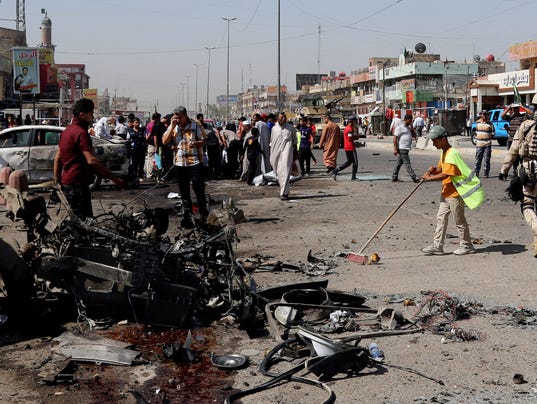

HARGEISA (Somalilandsun) – The government is intent on availing citizens an HIV/Aids free environment within five years.


This was revealed by the president of Somaliland Ahmed Mahmud Silanyo during a meeting of the Somaliland National HIV/Aids Commission-SOLNAC he chaired in his capacity as the commission's chairperson in Hargeisa where an appeal for enhanced support to the commission was also made.


"We appeal to the international community, affluent citizens in and out of the country as well as other well-wishers to support either or both financially and materially the activities of SOLNAC' said president Silanyo


The head of state of commended the Global Fund anti Tuberculosis and Malaria-GFAT&M for sponsoring HIV/Aids interventions in the country over the years also revealed that diminishing funds from the body have necessitated an urgency hitherto not needed.


Briefing on the infectious virus that was first discovered in the 1980s and has so far devastated many communities especially in Africa and Asia president Silanyo said Somaliland where reported its first HIV/Aids case in 1992 is currently shouldering the responsibilities of 1% of the population that are infected.


"While we are fortunate to have a meagerly 1% of our population infected thus living with HIV/Aids, we are determined as an administration and country to not only take care of our infected by eliminate new infections within five years" said president Silanyo.


As he informed of concerted worldwide efforts to combat the HIV virus the head of state who said Somaliland wants to partake and benefit from this efforts issued a 7 points statement that read.


Quote- In its commitment to combat HIV/Aids in the country the government of Somaliland assisted by other stakeholders both local and international established the Somaliland National HIV/Aids Commission-SOLNAC to spearhead related activities.


In order for Somaliland to attain the status of an HIV/Aids free nation and despite being less affected than others, difficulties exists thus imperative for concerted efforts from each and every one of us.


Having noted that GFAT&M which has been Somaliland's and other countries major donor is currently engulfed by financial constraints as a result of the downslide in the economies of donor nations, I therefore, send this appeal to all Somaliland citizens and the international community for immediate support to SOLNAC so as to achieve plans to eliminate or drastically diminish HIV/Aids infections in the country within the targeted five years from now.


In view of the above and the diminishing operational funds of SOLNAC which does not sufficient funds from the central government or various international bodies engaged in HIV/Aids interventions and in my capacity as president of Somaliland and chairperson of SOLNAC hereby urge somalilanders and the international community to augment forthcoming budget from the government.


To this effect


1. The 2014 national budget shall allocate a substantial percentage to SOLNAC


2. A comprehensive survey shall be undertaken nationwide and especially in hotspot areas thus ascertain prevalent status and assist in design of strategies to reach plan of total elimination or drastic diminishing of HIV/Aids in the country.


3. I hereby, order the ministry of information and national guidance to immediately embark on regular nationwide HIV/Aids awareness campaigns by allocating sufficient time and space to the state owned TV and radio stations as well as newspapers.


4. I order the ministry Resettlement and related bodies to ensure that People living with HIV/Aids are availed sufficient quantizes of any food donations made to the country thus supplement current donations by the government and WFP


5. I order the national HIV/Aids Commission-SOLNAC and partner agencies to ensure that People Living with HIV/Aids no longer live in shame by intensifying anti discrimination and stigmatization campaigns.


6. I ask the local business community to support anti HIV/Aids activities for it is a virus that can infect anyone thus need deterrence.


7. I request the international and local organizations undertaking HIV/Aids interventions to double their efforts and support


I remain Hopeful that our concerted efforts shall not only eliminate the virus and its infections in our country but uplift the living standards of those among our citizens currently afflicted. President of Somaliland –Unquote


According to figures from SOLNAC there are 40 cases of new infections report monthly in the country that supplies anti-viral drugs free of charge to all infected persons.


http://samotalis.blogspot.com/

Mr.Somaliland: President: Accurate Public Information and regular contacts with your people is the way forward.

Mr.Somaliland: President: Accurate Public Information and regular contacts with your people is the way forward.

“What people hear directly from their President represents the main and the most credible source of information and has the highest news value.”

By: |Eng. Hussein Adan Igeh| (Hussein Deyr) |UK|

You’re Excellency Mr. President,

Communicating with your citizens, clearly and regularly, is the best way to build up and maintain a warm and healthy relationship with the people of this country. You can get the public easily on your side by keeping them informed and engaged with all the important developments, what’s going on in the country, state of affairs of the government, ups and downs and in which direction our country is going to. What the people hear directly from their President is what counts the most; it is the main and the most credible source of information. From the moment the President makes his speech and addresses the nation, practically all other information sources have little news value and everything they tell you afterwards is no longer interesting. Because the President has spoken to his people!!


However, when the government omits to inform, update and engage its citizens(with a well measured information sources); the untruths, provocative and propaganda reporting take their place. In that case, we will have to do with such unrealistic situation wherethe real information and facts on the groundwill beoverpowered by lies, untruths and unfounded story telling. The consequences thereof are enormous: the government’s economic and social advancementobjectives will be held hostage and overshadowedby mendacious media; the government’s efforts to improve living conditions of its citizens will be less appreciated and will have the opposite effect of the one intended; Somaliland citizens will be increasingly sceptical towards their government with all unpleasant consequences afterwards!


Pessimistic Media Reporting and their intent:

Mr. President, as you may aware, some Somaliland’s indigenous media groups (at home and abroad) have always a tendency to spread tittle-tattle stories, rumours and an unfounded news-items with only one goal in mind: to sell more copies or to attract more audience. They leave no stone unturned to destabilize our country; they are knowingly and willingly creating a climate of collective confusion among the brotherly people of the Republic of Somaliland. They create mistrust and unsubstantiated stories that consumes much of life and energy of Somalilanders.

The scope and effect of such negativemediareporting is to mislead the public, to influence and reinforce a negative public perception towards the current government, portraying your government as ineffective, a government that cannot fulfil its promises and therefore not suitable to run the country. If a proper counter-measurement action from the government fails to happen,then Somaliland citizens will be more receptive to believe in such downbeat media coverage.


Good Information & Public Awareness Building:

It is particularly crucial that your government combat and challenge the emerging media influence on the ordinary Somaliland citizen. Good information, public awareness building and an active involvement of country’s citizens is the best way in which can be dealt with the negative impact of some biased-media outlets. I believe it is the duty of the government to provide its citizen an accurate and reliable information sources. In that case you are one step further than all misinformation or propaganda coverage and you let them all to remain silent.


In order to trim down media influence on your governments social, economic, security relevant issues as well as foreign affairs policies; with a sincere and unequivocal intention I would like to extend the following minor advises:


The less the President speaks to the people, the more there will be questionable and unsubstantiated hearsay stories, whereby people will have a tendency to believe in such distorted information. A regular (monthly) TV/ Radio Nationwide Speech in which you address the nation and explain them your government policies and actions would be very desirable. Your speech represents the highest news value and will be regarded as the major news and information sources. This approach will not only restore your contact and relations with your citizens, but it will also enhance people’s confidence in your government. Therefore, a Regular Presidential Speech to the nation would be the best remedy against the unprofessional and paparazzi media greed.


Embark sometimes “a listening tour” across the countryto explore and see through your own eyes how the daily lives of your citizen’s looks like and what is happening among your people on street level. Standing close to the ordinary people and hearing their voices will definitely boost the public morale.This approach will also reduce the negative media influence on the public attitude towards your government.


I believe it might be more prudent if your government could reduce theunnecessary Media-Interaction by some high rank government officials, which sometimes leads to a preventable confusion among the public! The ministers and other officials in every department should have to engage with the relevant matters of their ministry and should avoid inter-acting with the media unnecessarily.


I would strongly recommend appointing a Professional Spokesperson or (Public Information Associate/ Officer) for each major government department.This person will be fully engaged in the media matters and/or interference so as to reduce their influence.


Finally, Mr. PresidentMay I have the honour to congratulate you and your government members for the incredible achievements as well as the commendable and well balanced decisions during your short government period! There is no doubt about that you have dedicated your life to the work of building hope and opportunity for Somaliland people where-before you came to power- too little of either existed.


God Bless the Somaliland Republic and its Noble people


By: |Architectural-Eng. Hussein Adan Igeh |Hussein Deyr |UK|
http://samotalis.blogspot.com/

Explosions rock Baghdad area, at least 80 dead

Explosions rock Baghdad area, at least 80 dead
Adam Schreck and Sinan Salaheddin, Associated Press


(Photo: Khalid Mohammed, AP)

STORY HIGHLIGHTS
Explosions came in quick succession
Bombings tore through Shiite Muslim areas in and around the Iraqi capital
Insurgents deployed explosives-laden cars, suicide bombers and other bombs Wednesday
BAGHDAD (AP) — Car bomb blasts and other explosions tore through mainly Shiite districts around Baghdad during morning rush hour Wednesday in a day of violence that killed at least 80, intensifying worries about Iraq's ability to tame the spiraling mayhem gripping the country.

It was the latest set of large-scale sectarian attacks to hit Iraq, even as the government went on "high alert" in case a possible Western strike in neighboring Syria increases Iraq's turmoil.

A relentless wave of killing has left thousands dead since April in the country's worst spate of bloodshed since 2008. The surge in violence raises fears that Iraq is hurtling back toward the widespread sectarian killing that peaked in 2006 and 2007, when the country was teetering on the edge of civil war.

Most of Wednesday's attacks happened in within minutes of each other as people headed to work or were out shopping early in the day. Insurgents unleashed explosives-laden cars, suicide bombers and other bombs that targeted parking lots, outdoor markets and restaurants in predominantly Shiite areas in and around Baghdad, officials said. A military convoy was hit south of the capital.

Security forces sealed off the blast scenes as ambulances raced to pick up the wounded. The twisted wreckage of cars littered the pavement while cleaners and shop owners brushed away debris. At one restaurant, the floor was stained with blood and dishes were scattered on plastic tables.

"What sin have those innocent people committed?" asked Ahmed Jassim, who witnessed one of the explosions in Baghdad's Hurriyah neighborhood. "We hold the government responsible."

The northern neighborhood of Kazimiyah, home to a prominent Shiite shrine, was among the worst hit. Two bombs went off in a parking lot, followed by a suicide car bomber who struck onlookers who had gathered at the scene. Police said the attack killed 10 people and wounded 27.

There was no immediate claim of responsibility for the attacks, but they bore the hallmarks of the Iraqi branch of al-Qaeda, which operates in Iraq under the name the Islamic State of Iraq and the Levant. The group frequently targets Shiites, which it considers heretics, and carries out coordinated bombings in an attempt to incite sectarian strife.

Charles Lister, an analyst at IHS Jane's Terrorism and Insurgency Center, said the group is increasingly showing "huge confidence and military capability."

"Both the increasing frequency, and statistically, the increasing deadliness of (their) coordinated nationwide bombings in Iraq underlines the extent of their operational reach and the huge depth of their resources," he said.

In one particularly brutal attack, a Shiite family was shot dead at home in the largely Sunni town of Latifiyah, about 20 miles south of Baghdad. Four children, ages eight to 16, were killed along with their parents and an uncle, police said. Authorities said they had previously fled the town after being threatened and had returned only three weeks ago.

Many of the day's blasts targeted morning shoppers. One parked car bomb in a commercial area in Baghdad's northern Shaab killed nine. Parked car bombs that went off in outdoor markets killed 19 in the sprawling slum of Sadr City, the northeastern neighborhood of Shula, the southeastern Jisr Diyala district and the eastern New Baghdad area.

Blasts also hit the neighborhoods of Bayaa, Jamila, Hurriyah and Saydiyah, killing 12. Yet another car bomb exploded in the evening in Baghdad's southwestern Amil neighborhood, killing four.

Outside the capital, a suicide bomber blew himself up near a restaurant in Mahmoudiyah, about 20 miles south of Baghdad, killing five. And in Madain, about 15 miles southeast of Baghdad, a roadside bomb struck a passing military patrol, killing four soldiers.

While Shiite areas bore the brunt of the attacks, Sunni areas were targeted late in the day.


http://www.usatoday.com/story/news/world/2013/08/28/iraq-attacks/2712163/

http://samotalis.blogspot.com/